
Data-based marketing has undergone a massive transformation in the past decade. The proliferation of new channels and technologies now demands that marketers cultivate a sophisticated and complex skill set to effectively communicate with consumers. A cohesive customer contact strategy, implemented and applied across the entire business, is crucial for success in this evolving landscape.
The Indispensable Need for Cross Channel Campaign Management (CCCM)
Just 15 years ago, the primary role of a database marketer revolved around producing analytical results and executing outbound direct mail selections from the customer database. Today, the influx of new media and technological advancements requires marketers to master an entirely new and vastly more intricate set of skills to engage consumers successfully.
The modern consumer is perpetually connected across a broad spectrum of channels, expecting relevance in every interaction, at every moment they choose to engage with a brand. The Gartner Digital Marketing Transit Map vividly illustrates the myriad channels marketers must navigate these days.
Right Touching and Relevance: The Core Driving Forces
Relevance is paramount. This isn’t just about being relevant from the consumer’s perspective (the recipient of your communication), but also deeply relevant to their needs. This relevance must be informed by external data and/or previous contact moments, and delivered at every point in every channel where the consumer expresses their needs. Furthermore, striking the right “touch” with subtlety is essential. Knowing too much can be as detrimental as knowing too little when nurturing customer relationships.
Key Dimensions for Consistency and Relevancy
Ideally, your organization possesses a comprehensive customer contact strategy that is consistently implemented across all business units. This enables you to maintain relevance and consistency across every channel.
The critical dimensions in which you must strive for consistency and relevance include:
- The Brand Experience: Ensuring a unified and consistent brand voice and aesthetic across all touchpoints.
- Current Position in the Customer Life Cycle: Tailoring communications based on where the customer stands in their journey with your brand.
- Demographic and Lifestyle Profile: Leveraging customer insights to personalize messages and offers effectively.
- Device / Channel Preferences: Understanding and respecting how individual customers prefer to interact and receive information.
Getting a Strong Grip on Cross Channel Campaign Management
In this rapidly evolving environment, balancing all these marketing processes is increasingly challenging for marketers. The sheer volume of data being processed, coupled with the expanding skill sets required for management, makes it virtually impossible to handle everything manually.
New marketing software solutions empower marketers to manage their tasks with greater efficiency. The marketing team’s primary responsibility has shifted to orchestrating all processes using the appropriate tools. In this context, real-time dialogue has replaced historical outbound campaigns and programs. As a marketer, the ability to seamlessly coordinate across channels is vital, making a strong command of Cross Channel Campaign Management (CCCM) or program management absolutely crucial.
According to Gartner, the definition of campaign management is:
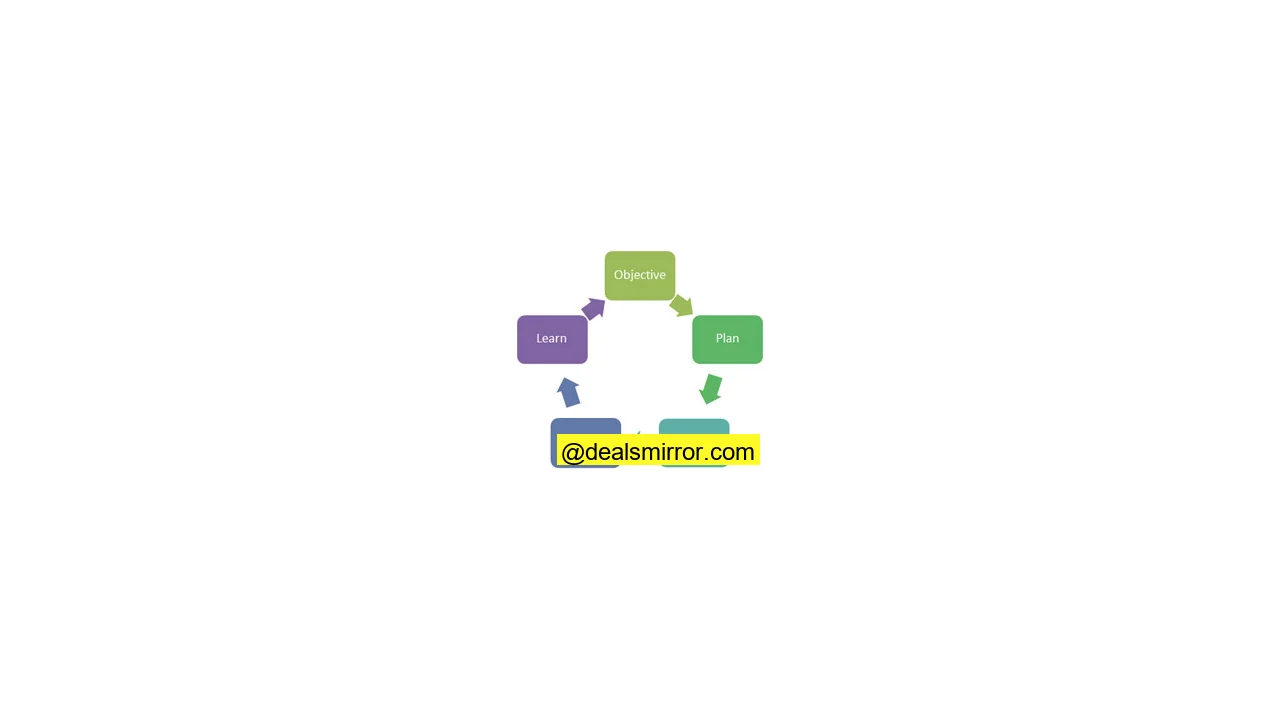
“the process through which organizations segment, target, manage and evaluate multichannel marketing messages. Elements of campaign management functionality include data mining, customer segmentation, customer-event triggering, next-best-action recommendation engines and campaign optimization.”
Based on this definition, campaign management acts as a powerful mechanism where marketing expertise and technology converge to optimize data-driven marketing efforts.
Technology as a Facilitator, Not an End Goal
Technology plays a pivotal role in managing and evaluating the effectiveness of marketing programs and campaigns based on predefined business rules. This frees marketers to dedicate their valuable time and energy to implementing and optimizing their overarching marketing vision. Technology serves as a crucial facilitator, capable of resolving operational bottlenecks. Software is not an objective in itself, but rather a strategic tool to achieve your goals: consistently relevant cross-channel interactions with your customers.
The Challenges of Implementing Campaign Management as a Strategy
This sounds straightforward, doesn’t it? To navigate the new complexities of marketing, simply select and implement the right marketing software, and you can refocus on your core marketing duties. In reality, however, this transition has proven to be a formidable challenge for most companies. You are likely to encounter the following significant obstacles when attempting to adopt campaign management as a strategic approach within your organization:
Separate Teams and Divisions
Many organizations are structured into various commercial divisions that operate with a degree of autonomy. It is common for Sales, Marketing Intelligence, Marketing Communication, Online Marketing, and PR to function as distinct teams with their own agendas and minimal coordination. Introducing a centrally led marketing approach often means integrating these disparate teams into a new structure, where their individual decision-making roles may be significantly redefined. Not everyone will readily embrace such a profound change.
Legacy Systems Stand in the Way
Numerous companies still rely on legacy systems that were designed long before the complexities of the multichannel marketing era emerged. As a result, aligning these systems to facilitate a centrally coordinated marketing approach becomes extremely challenging. Replacing these entrenched systems is typically a painful, costly, and labor-intensive process, primarily because they are intricately interwoven with countless existing processes and structures in ways that have become entirely opaque over time. A recent case study revealed that a major Dutch bank estimated the cost of replacing legacy systems for cross-channel campaign management implementation at 70 million euros.
Bridging the Gap Between IT and Marketing
In decisions concerning any software, including marketing tools, the IT department often takes the lead. To most IT staff, it’s not immediately apparent why the unique software requirements of a marketer (such as the need for flexibility in data-driven communication) cannot be met by existing systems managed by IT, which already house all company data (often structured, manageable, and controllable). As a marketer, you may then find yourself challenged on subjects outside your primary expertise, such as the costs of implementation or data security protocols.
Underestimating Cross Channel Campaign Management Challenges
The transition to cross-channel campaign management frequently introduces additional organizational challenges that are easily underestimated during initial planning. Examples include the aforementioned IT-related matters, but also marketing communication (e.g., producing the substantial volume of required content), cross-channel data linkage (how to identify the same customer, especially in channels where they are typically anonymous), and proposition development (matching the right offers to the right customer segments).
5 Essential Steps for Robust Cross Channel Campaign Management
Thorough planning and preparation are critical for a successful transition to centrally coordinated campaign management. The following five elements are key to this process:
- Centralize Control: Opt for an approach where the marketer or the business maintains central control. Any structure that divides the responsibility for a coordinated campaign management approach across multiple disciplines or relies heavily on IT resources is likely to fail.
- Prioritize Objectives Over Technology: First, clearly define the objectives you aim to achieve. Only then, in a subsequent stage, determine the technology required to meet those goals. Remember, technology is a means to an end, not an end in itself. Furthermore, limit your objectives to what is genuinely manageable for your team. You are not obligated to implement every new technology simply because others are. A crucial prioritization mechanism involves assessing whether implementing new technologies genuinely enhances your customer’s experience and satisfaction.
- Choose a Scalable Solution: The most effective way to demonstrate the benefits of cross-channel campaign management to your organization is to start small, showcase tangible successes, and build a case before requesting significant investments. Develop a long-term plateau plan, ensuring that each completed plateau can be presented as a success in itself, justifying the subsequent steps. Celebrate these achievements to visibly demonstrate the effectiveness of your approach!
- Develop and Leverage Buyer Personas: These buyer personas should encompass context, current position in the customer life cycle, and specific channel and communication preferences. Personas are an excellent tool for segmenting your customers into manageable groups.
While many marketing software providers now tout the concept of “segment of one,” implying the automatic generation of unique communication strategies for individual customers, attempting to implement this literally places immense pressure on your product and content teams. In reality, the extra effort often doesn’t yield a comparable return on investment (ROI) compared to working with well-defined segments. “Segment-of-one” technologies frequently end up reusing similar content in contact strategies, resulting in less variation than the term might suggest.
- Prepare for Continuous Evolution: Acknowledge that the marketing domain will continue to evolve at a rapid pace. It will become increasingly difficult to consolidate all necessary competencies within your limited marketing full-time equivalent (FTE) headcount. Collaborating with specialized agencies or partners that offer a broad array of flexible marketing competencies will likely become the only viable way for most companies (except the largest global enterprises) to manage their marketing processes effectively. This approach offers significant benefits: being able to leverage resources precisely when needed can be far more efficient than maintaining all resources on your payroll, often leading to enhanced quality as well.
Building a Solid Customer Contact Strategy
It is consistently more effective to have a robust, fundamental customer contact strategy that is consistently implemented and functioning well, rather than an overly advanced and complex one-to-one strategy that your company struggles to manage.
Therefore, begin with small, manageable steps, scaling up within the specific constraints of your company’s size and complexity. Crucially, maintain control over how you manage your customer interactions. The paramount goal is a solution that empowers the marketing team with central control. Technology is merely a facilitator. Automate what is feasible, ensuring that you, as a marketer, can dedicate your time to deciding *what* you want to achieve, not bogged down by *how* to make it happen. Ultimately, that is the true purpose of technology.