If you’re exploring new email marketing or automation solutions, the array of choices can be daunting. Among these, “open source” systems are gaining significant traction, much like in the CMS or eCommerce sectors. But why should you consider (or perhaps not consider) open source email marketing and automation? Let’s delve into the key questions and considerations.
What is Open Source Marketing Automation Software?
Before exploring specifics, it’s essential to understand what “open source” truly means.
An *Open Source software project* involves the development of software where anyone can freely access the source code. This means you can inspect the code, host it independently, or integrate it into other applications. Depending on your needs, you even have the flexibility to develop additional functionality.
Open source Marketing Automation software functions much like other marketing automation tools, with the crucial distinction that you can examine its source code, utilize it as you see fit, and tap into a larger, collaborative community.
Open source projects are now integral to our daily lives. Consider platforms like WordPress, Magento, Drupal, and PrestaShop for CMS and eCommerce. Giants like Google, Facebook, and Microsoft offer much of their framework code as open source. Even many proprietary applications are built upon open source frameworks such as PHP, Java, Symfony, or Ruby.
What Can Marketing Automation Do For You?
Marketing automation software (whether open source or proprietary) automates your marketing activities. These tools are instrumental in customer acquisition, streamlining relationships with existing customers, retaining clients, and upselling or cross-selling products and services.
With a robust marketing automation platform, you can track each visitor’s behavior and profile. It enables you to automate marketing scenarios and deliver personalized messages across various channels, incorporating segmentation and tagging for enhanced relevance.
Lead scoring, working in conjunction with your CRM database, allows marketing automation to manage the maturity of your leads. So, why consider open source marketing automation software specifically?
6 Main Reasons to Choose Open Source Email Marketing and Automation Software
Let’s begin with the primary reasons to opt for open source email marketing and automation software from a user’s perspective:
- Faster Go-to-Market
- Easier to Find Marketing and Technically Skilled People
- More Choice of Suppliers with the Right Service vs. Price Ratio
- An Open Roadmap
- Handling Major Version Updates
- Flexibility and Compatibility with Integrations
1. Faster Go-to-Market with Open Source Marketing Automation Software
The number of marketing technologies has exploded, growing from 150 to over 7,500 solutions in the last seven years. When selecting your marketing automation stack, you often don’t anticipate all the other solutions (CRM, Social Network, ERP, Social Selling) you’ll eventually need to synchronize data with.
If you rely solely on a proprietary software vendor, integrating new systems often requires significant investment or waiting for roadmap updates. With an open source marketing automation solution, the integration might already exist, or you can leverage the community or a hosted solution provider to develop it for your technical environment.
For instance, when a national postal service required synchronization with their webinar system, an implementation partner was able to get it fully operational for their sales and marketing teams in just six weeks. For some enterprise clients and proprietary software providers, six weeks might only be enough time to schedule the initial project meeting. Can you imagine a large software vendor adjusting its roadmap so quickly without a seven-digit bill?
2. Find the Right Expertise and Staff
Inbound marketing and automation are rapidly evolving and relatively new practices. Finding the right talent to manage your project can be challenging, and scarce resources can lead to high costs.
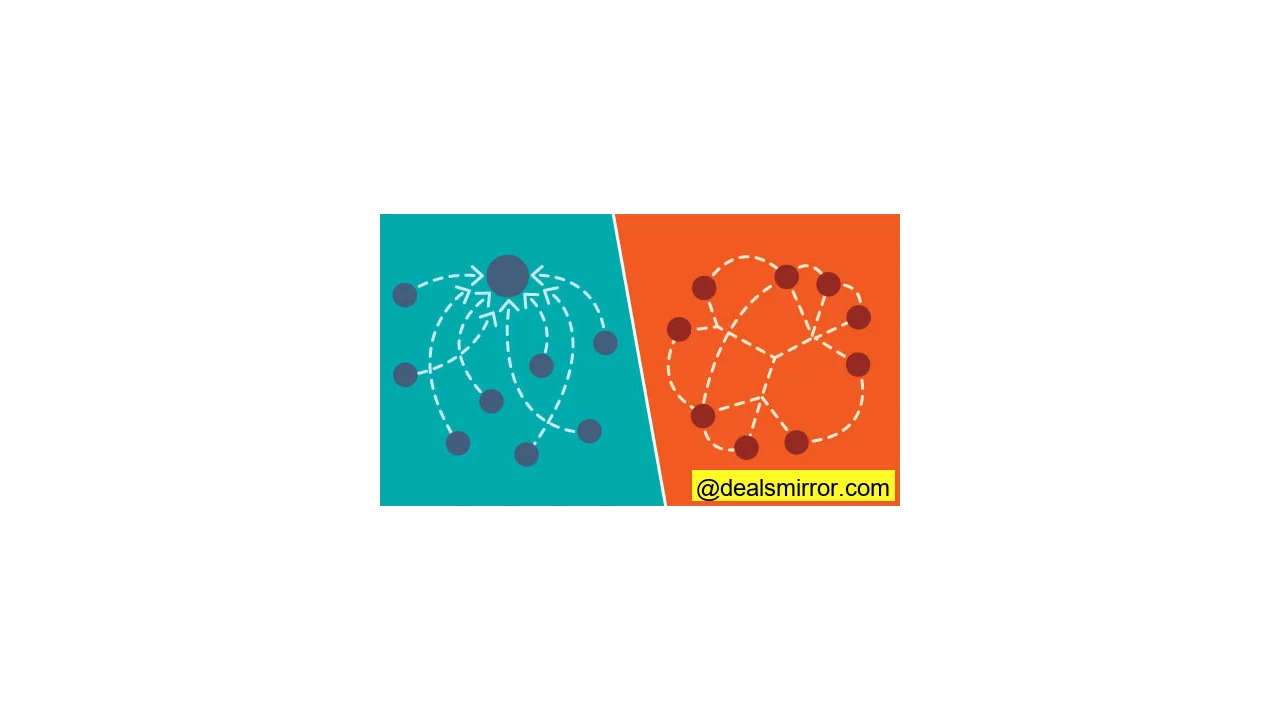
A different structure in which open source is organized can mean more skilled people are available.
With open source projects, such as Mautic, numerous agencies and hosting companies provide services and skilled professionals to advance your project. A larger pool of experienced and expert individuals exists beyond just the software vendor, which significantly impacts availability and the final project cost.
3. Value for Money
Proprietary solutions like Automation Anywhere, Adobe Marketo, or Oracle Eloqua are known for their premium pricing. Under €2,000 per month for a 10,000-contact database, you often don’t get the full automation stack. Add operational costs, and the total can be substantial. With open source email and marketing automation software, you can access features for (almost) free if you manage it yourself, or pay a competitive price with a hosted solution of your choice.
Long-Term Appeal of Open Source Marketing Automation Software
Beyond immediate benefits, open source also offers compelling long-term advantages:
4. An Open Roadmap
An open source project allows anyone to contribute. While your company team might have a few developers, an open source project can benefit from hundreds. This places the user at the center of the roadmap and scales the project’s potential.
Anyone can contribute to the project, allowing all users to benefit. This forms the core of an open source community. Administrators guide the community, ensuring feature proposals are logical, useful, and maintainable. For example, contributors from various organizations, including those from Webmecanik, often form part of the core teams for platforms like Mautic, ensuring consistent and community-driven development. The Mautic community, for example, makes the software available in 22 different languages, offering extensive localization capabilities.
5. Handling Major Version Updates
Major new releases significantly advance an application’s functionalities or performance. This is evident with Mautic 3, which involved updating the Symfony framework and a structural overhaul to make the application more modern, efficient, and flexible.
Non-open source vendors must manage all code updates, features, and user migrations themselves. With an open source project, you can contribute to its improvement, sharing the development burden and expertise.
6. Flexibility and Compatibility with Integrations
Example Automation flow with integrated Webinar, Pipedrive and Mautic
As an open source project, its widespread adoption accelerates synchronizations and integrations with all types of apps and software your company might need. Data is central to your organization, demanding total compatibility with current applications and future software yet to be discovered. This often means fewer fully custom integrations are required.
When Not to Choose Open Source Marketing Automation Software?
While open source software often offers more functional choices than proprietary alternatives, it’s not always the best fit. Sometimes, proprietary software makes better business sense.
Here are a few reasons why you might choose a proprietary marketing automation solution:
- Most open source software projects cannot offer business-class 24/7 support. Only large multinational vendors typically have the resources to provide such a service.
- If you use proprietary hardware—for instance, synchronizing your marketing automation with a Point Of Sales (POS) machine—that requires a specialized driver; most of the time these are closed source and available only from the equipment manufacturer.
- If warranties and liability indemnity are critical to your company, then most large proprietary vendors can offer these in their agreements.
- If you are looking for very specific features that are already present in proprietary software but not yet available in open source alternatives.
- If you are an agency, other considerations might be in place—such as profit margins and the opportunities for co-promotion and sponsorships offered by proprietary vendors.
Remember, email and marketing automation software selections should always be based on which software best fits your organization, so understanding your business requirements comes first.
FAQ on Open Source Emailing And Automation Software
Q: What is open source software?
A: An open source solution is comprised of software components where access to the source code is authorized by its authors. Communities of developers openly share their work around the same source code. This is the fundamental difference from “proprietary” solutions, where the source code is inaccessible (closed or locked), requiring authorization from the developer or company to access it.
Major open source projects are part of everyday life: most cloud servers for SaaS software and apps run on a Linux Operating System. Your data might be stored in a MongoDB database—both open source. Many popular CMS and eCommerce websites, such as WordPress, Magento, Drupal, and PrestaShop, are open source. Companies like Google, Facebook, and Microsoft offer the majority of their framework code as open source. Even proprietary applications are often built upon open source frameworks like PHP, Java, Symfony, or Ruby.
Q: Are there differences in software performance between open and closed source marketing automation?
A: Beyond the accessibility of the source code, one might wonder if a Marketing Automation software is more or less efficient based on whether it’s open source or proprietary. However, the performance of software and its ability to meet company needs are not directly related to the availability of the source code. Performance stems from the functionalities offered by the solution, the related services provided by the service provider (integration, support, training), and the acquisition costs (quality/price/performance ratio) for the company.
Q: Open source or closed source: which are the most innovative?
A: The scalability of a Marketing Automation software solution and its capacity for innovation depend on the provider offering it. This is true for both open source and proprietary solutions. The main difference lies in development time: the open source community often reacts quickly to needs, while a company offering a proprietary solution will determine its development schedule based on its own agenda.
Marketing Automation Scenario Map example in Mautic
Q: What happens if you experience a bug?
A: Whether it’s an open source or a proprietary solution, the process for managing bugs is largely similar. Bug resolution depends on the responsiveness of the provider offering the solution. In any case, solutions are rigorously tested and screened before release to identify potential problems. Once released, mature and reliable solutions aim to minimize unpleasant surprises. Minor bugs can still occur, but usually, they don’t require a complete re-development. The key factor here is the responsiveness of the service provider’s support.
Q: As open source software is free to download, we can do it alone then!
A: This is partially correct. It is very simple to download the entire code, typically hosted on platforms like GitHub. For instance, you might find specific forks, such as this one, that demonstrate how the codebase is structured, allowing you to technically have the application for free. However, Mautic, for example, is a marketing automation software rich in features and technically complex to manage. Added to this are specific hosting constraints. For any small, medium, or even enterprise business, priorities must be set. If your core business is developing high-precision dental prostheses, for instance, you don’t necessarily have the time and resources to maintain third-party software. It would be a diversion of energy from your primary activities.
Q: Should we consider open source marketing automation software to develop our sustainable and profitable business?
A: Absolutely. Over 50,000 users worldwide currently use Mautic, ranging from small businesses with a few thousand contacts in their CRM database to large accounts managing millions of contacts. This demonstrates its scalability and effectiveness for diverse business needs.
Q: If I choose an open source solution, how do I offer onboarding training and professional services to my marketing teams?
A: Regardless of the solution you choose, a comprehensive training program is essential. Freemium models often don’t work for complex products unless they are inherently easy for the mass market to use. Experience shows that customers who purchase a license without a strategic and practical coaching program often experience high churn, while trained customers have significantly lower churn rates (e.g., only 2%). Marketing automation software, due to its amplitude of features, is not inherently simple to use without proper guidance.
When to Choose Open Source for Email Marketing & Marketing Automation
Ultimately, the key criteria for selecting your marketing automation solution are the chosen solution’s ability to offer the functionalities your company needs, the related services provided by the vendor (implementation, support, etc.), and the monthly cost of the solution (subscription) based on your contact volume.