
Every B2B marketer aspires to leverage marketing automation, but navigating its vast landscape can often lead to “analysis paralysis.” With an explosion of tools and seemingly endless functionalities, it’s easy to lose sight of what truly matters. However, at its core, marketing automation for B2B is surprisingly straightforward.
A robust marketing automation platform fundamentally serves two critical purposes:
- Discover when a prospect’s timing is shifting in your favor.
- Cultivate relationships with prospects whose timing isn’t quite right yet.
The functionalities supporting these two objectives should form the bedrock of your platform. Everything beyond this, while potentially helpful for streamlining operations, is essentially “icing on the cake” when it comes to delivering a tangible return on investment.
Timing: Identifying Prospects Ready to Buy
“Sales is all about timing” – this age-old adage holds true. You cannot compel someone to buy if it’s not the opportune moment for them. Consider your extensive database of contacts, whether it holds thousands or millions. Now, ask yourself: what percentage of these prospects will make a purchasing decision within the next 90 days, from you or a competitor?
In a B2B context, this percentage is typically very low. Let’s assume, for argument’s sake, it’s 1%. This implies that a staggering 99% of your database won’t be making a purchase decision in the immediate future.
The Crucial Role of Timing in B2B Sales
For the majority of your prospects (the 99%), various factors contribute to their current lack of buying intent. They might lack budget, be under an existing contract with another vendor, or simply have different priorities at the moment. In essence, their timing is not aligned with a purchase.
From Hoping to Knowing: The Power of Automation
What happens when a prospect’s timing changes? How do you become aware if they secure budget, their current contract nears expiration, or they actively begin researching new solutions?
Most companies traditionally *hope* they’ll stumble upon this information – relying on a prospect to initiate contact or a diligent sales rep to schedule a follow-up. However, with a sophisticated marketing automation platform, you transition from hoping to *knowing*.
Let’s explore key functionalities that enable this crucial shift.
1. Be Right There When They Need You: Alerts & Tasks
Imagine that a prospect, after an initial positive sales call, goes silent for three weeks. Then, you discover they spent several minutes on your pricing page. This is a clear indicator of renewed buying intent. Marketing automation allows you to configure alerts for such critical events. You can instantly notify specific sales representatives about a prospect’s significant website activity on your most important pages. Furthermore, the system can automatically generate tasks within your CRM system, ensuring the assigned rep takes immediate, appropriate action. While fully automating follow-ups might miss nuanced human sensitivity, automating the *opportunity* for timely follow-up is invaluable.
2. Understand Their Journey with Lead Scoring
Lead scoring becomes particularly valuable when managing large volumes of leads, especially when you have a well-defined customer journey. This functionality lets you assign points to specific actions and attributes of your prospects. Understanding where these actions fit within their buying process (hence the need for a clear customer journey) is key.
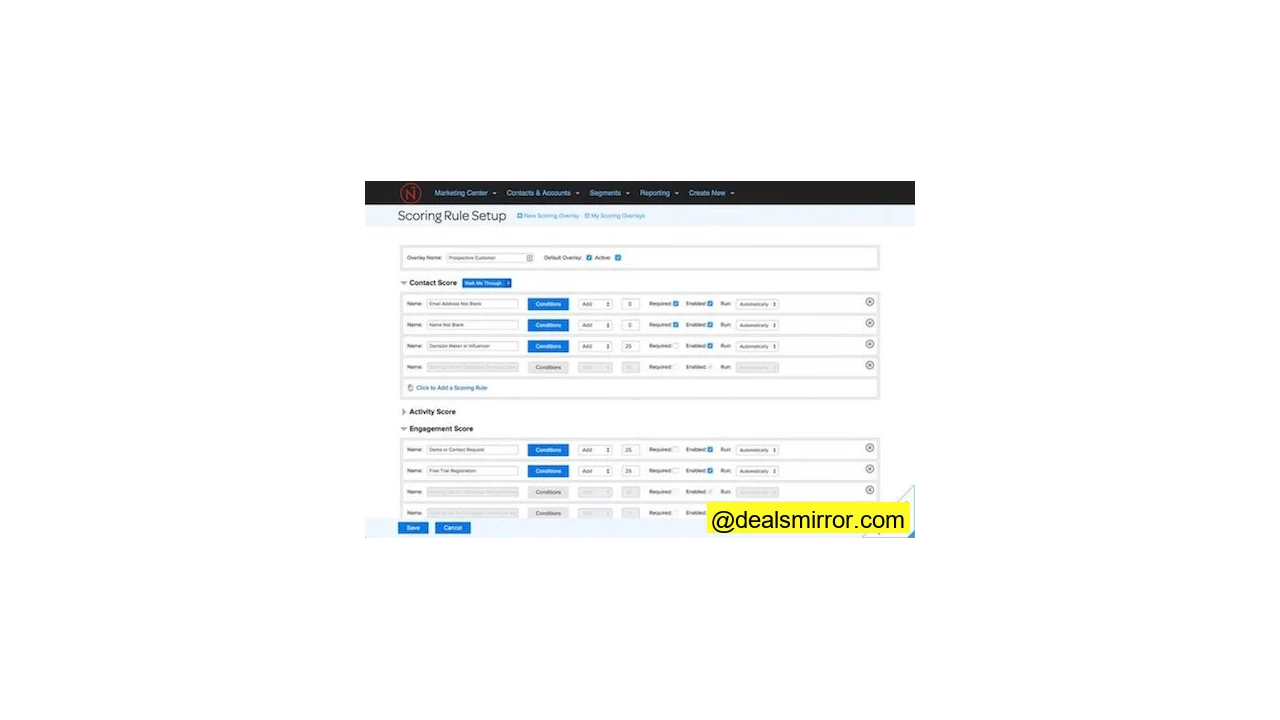
Lead scoring is an excellent method for tracking a prospect’s progression through the sales funnel. A sudden spike in engagement points for a prospect signals that they might be ready for a personalized message. Many platforms also allow you to assign tasks based on lead scores. Scoring attributes like job title or company size further helps qualify prospects, ensuring sales teams focus their efforts on leads that are not only active but also the *right fit* for your business.
Building Relationships with Prospects Whose Timing Isn’t Yet Right
What about the 99% of your database whose timing isn’t aligned for a purchase? Why invest in building relationships with them?
Firstly, retaining them in your database provides the ongoing opportunity to detect when their timing eventually changes. If they’re not there, you’ll never know. Secondly, by consistently delivering value and building a positive relationship, you can actively influence their journey towards a purchase. If you’ve been a helpful and trusted resource, they are far more likely to choose you when they are ready to buy.
1. Earn Their Attention with Lead Nurturing
The fundamental goal of lead nurturing is to earn the privilege of communicating with your prospects. If your communications don’t add value, you risk losing their attention. Lead nurturing is all about relationship-building through the consistent delivery of useful, relevant content at appropriate intervals. Remember, these prospects aren’t ready to buy, so your content should reflect that – focus on being informative and helpful, free from direct sales pitches.
Your primary objective is to cultivate a positive perception of your brand. You want them to recognize your expertise and reputation within the industry, ensuring that when their timing shifts, your company is top-of-mind.
What content can you share? This depends on your industry and prospect preferences. A classic example is an email drip campaign: a series of emails sent regularly, linking to valuable content like blog articles, videos, or downloadable resources.
More advanced marketing automation strategies combine lead scoring with lead nurturing. By understanding a prospect’s buying thought process, you can map content directly to their mindset, significantly increasing relevance. As buying intent becomes clear, you can then introduce more sales-oriented content to provide that final nudge.
2. Target the Right Audience with Segmentation
The effectiveness of all the aforementioned techniques hinges on your ability to deliver relevant messages. If you serve diverse groups of prospective customers, it’s crucial to divide your database into distinct segments.
Every reputable marketing automation tool enables sophisticated segmentation based on numerous data points within your database. The criteria for your segmentation should always align with what makes the most strategic sense for your business. The aim is hyper-relevance: delivering tailored email campaigns and content, specifically addressing the unique realities, challenges, and preferences of each segment.
3. Enhance Data with CRM Integration
Seamless integration with your chosen CRM system (whether it’s Salesforce, Dynamics CRM, or another platform) unlocks a wealth of additional data. The more your CRM “knows” about your existing customers, the better equipped you are to identify and target similar prospects, much like creating “lookalike audiences” in advertising. This rich data empowers more intelligent automation and personalization.
Prioritizing Essential Marketing Automation Features
While marketing automation platforms boast an impressive array of “cool stuff” – from landing page builders and predictive analytics to chatbot integrations – it’s crucial not to be distracted by features that are merely “nice to have.” These can certainly save time, but they are secondary to the core functionalities that drive ROI.
When evaluating a marketing automation tool, your primary focus should always be:
- How effectively does this tool help me identify prospects whose timing is changing in my favor?
- How robustly does this tool support building and nurturing relationships with prospects whose timing is not yet right?
The answers to these two questions define the true value of any marketing automation investment. The rest, while contributing to a polished experience, remains merely the icing on the cake.