
Having a robust marketing database in place is merely the first step. The true power of marketing automation lies not just in collecting data, but in how intelligently you analyze and utilize it to drive your marketing efforts. The level of sophistication you aim for in your marketing automation strategy will also significantly influence your choice of an Email Service Provider (ESP).
Behavioural Data: Your Most Predictive Asset
By seamlessly integrating web analytics, email interactions, and offline data sources, you’re building a rich repository of transactional, preference, and behavioural data. Among these, behavioural data stands out as the most predictive. It’s typically the most recent and relevant, enabling you to harness the power of true event-driven email campaigns. Imagine a customer in a physical store exclaiming, “I love this product!”—you wouldn’t ignore that valuable insight. Behavioural data offers the digital equivalent, providing real-time cues about customer intent and interest.
The Critical Role of Customer Engagement in Marketing Automation
Customer engagement data is a cornerstone of any effective marketing automation database. While the terminology may vary, the essence of marketing automation is a data-driven process that generates insights, which are then used to nurture customers through automated campaigns. Effective nurturing hinges on both relevant content and perfectly timed communication. By meticulously tracking engagement across email and other channels, you can segment your audience and tailor the frequency of your messages.
- Too little communication risks losing a sale.
- Too much communication can lead to customer churn.
Marketing automation empowers you to accurately gauge user engagement levels and establish precise rules, ensuring every message is delivered at the most opportune moment.
Strategic Segmentation for Deeper Personalization
A profound understanding of your customer journeys allows you to organically guide users through your website, rather than resorting to disruptive ‘push’ tactics. With a database exceeding 100,000 users, individual manual communication is simply unfeasible. However, by creating segments based on online user activity, you can:
- Predict a user’s likelihood to purchase.
- Anticipate the specific products or services they might be interested in.
This insight then allows you to set up highly targeted, automated communications that resonate with each segment.
The Evolution: From Email Marketing Database to Marketing Automation
The pivotal difference between a standard email marketing database and a full-fledged marketing automation system is the integration of web analytics—specifically, behavioural data. This advanced data layer allows you to pinpoint a consumer’s first visit to your website, identify the content that captures their interest, and even uncover the original search terms that led them to you. Envision the strategic advantage of segmenting customers based on search intent, such as those using “cheap” versus “premium brand” or “service-led” terms.
Scaling Email Programs with Marketing Automation
Once you’ve mapped out clear user journeys, you can strategically plan email marketing campaigns that are perfectly relevant to each user’s stage in the buying cycle. While traditional direct marketing and CRM experts can design basic customer lifecycle models, these are often just the starting point and don’t fully leverage the power of a comprehensive marketing automation database. The true potential of marketing automation unfolds as you expand and diversify the options within your campaigns, moving beyond simple linear models.
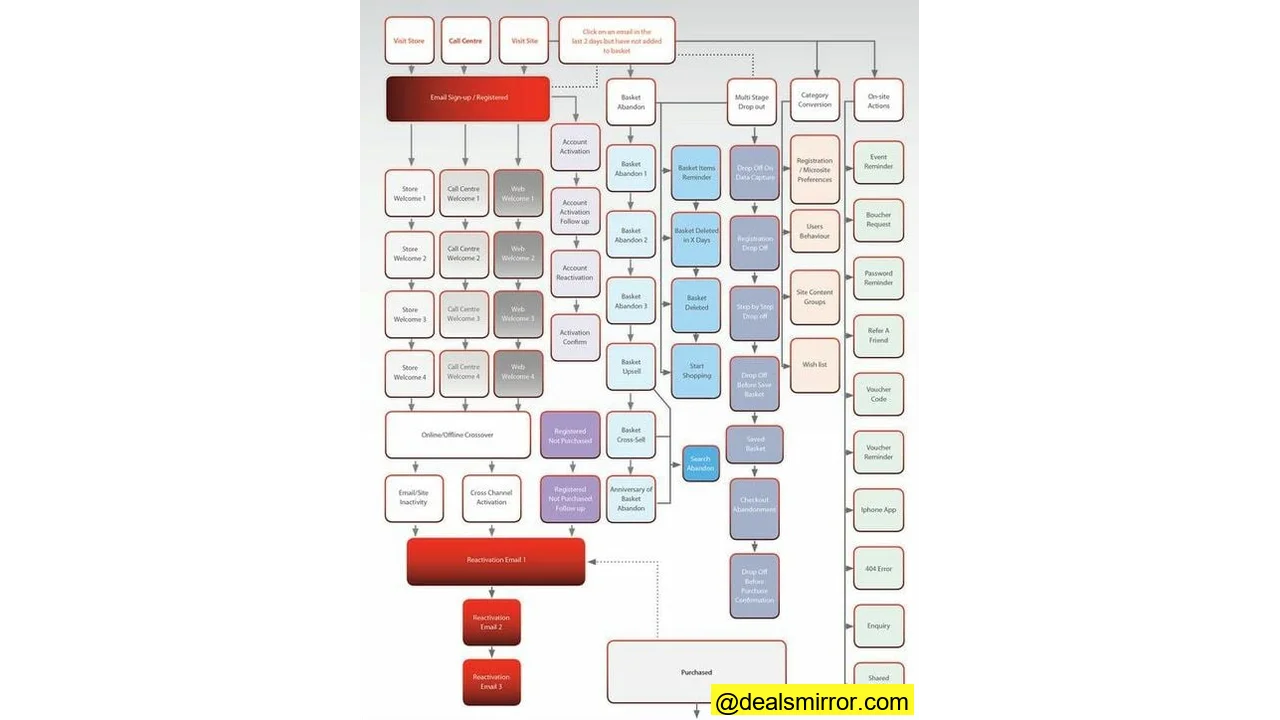
Fig. 1 illustrates how email programs can dynamically evolve and branch out when driven by a robust marketing automation system. This level of integrated, automated communication would be impractical, if not impossible, in a legacy environment where data is siloed and automation capabilities are limited.
Predicting the exact trajectory of your marketing automation journey can be challenging. Therefore, it’s wise to prioritize processes that promise the greatest immediate return on investment. Start with “low-hanging fruit” initiatives, such as basket abandonment emails, to generate quick wins that can justify and fund further investment in your automation strategy.
Advanced Capabilities: Dynamic Content & Smarter Testing
Marketing automation unlocks a suite of valuable extras, making sophisticated tactics more accessible and impactful. Dynamic content, a technique email marketers have long used, reaches new depths with marketing automation. The ability to include real-time, highly granular information personalizes communications on an unprecedented scale.
Fig. 2 shows a very simple example of what I mean.
Another critical long-term advantage of marketing automation is its support for advanced testing. Instead of relying solely on simpler, albeit still effective, subject line tests, marketing automation facilitates testing and targeting users based on their specific activities and segments. This allows marketers to test elements with a higher probability of making a significant difference to campaign performance.
Marketing Automation Drives the Future of Relevance
The future of digital marketing is undeniably relevant communications—delivering the right offer to the right person, at the right time, and through the right channel. This level of relevance is achieved through superior segmentation, precise targeting, and deep personalization powered by behavioural data. All these capabilities are central to an effective marketing automation strategy.
While many online marketers already implement individual elements of marketing automation, the true potential remains untapped without a dedicated marketing automation platform. Without such a platform, vast amounts of critical data remain trapped in disparate silos, creating significant operational hurdles for marketers.
Maximizing ROI: It’s How You Use Marketing Automation
Ultimately, it’s your ability to analyze, segment, and strategically deploy data to create highly targeted, automated communications that will double your revenue and accelerate business growth. Any technology partner you choose should offer not only comprehensive software training but also provide expert strategic advice on how to maximize your return on investment (ROI) from marketing automation. It’s also prudent to carefully evaluate potential providers and assess their speed of deployment, which can vary significantly.
The digital marketing landscape is evolving rapidly. With Internet Service Providers (ISPs) like Gmail now factoring customer engagement into email filtering, the importance of relevancy and engagement has transitioned from “best practice” to an undisputed fact.
Marketing automation is fundamentally about nurturing customers based on their individual wants and needs. While it’s not a magic bullet for every marketing challenge, when implemented thoughtfully with the right technology partner or Email Service Provider, it has the potential to at least double the revenues generated from your traditional email marketing efforts.
Image via Flickr