
Email marketing stands out as one of the most cost-effective marketing channels available today, with businesses generating an impressive average of $38 for every $1 spent. This guide delves into everything you need to know about email marketing costs, covering software, list building, in-house management, outsourcing, and more.
Email marketing is one of the most cost-effective marketing channels. Businesses generate an average of $38 for every $1 spent on email marketing.
That’s pretty impressive. But what does email marketing cost?
In this guide, you’ll find everything you need to know about email marketing costs. From email marketing tools and list building to handling your activities in-house, outsourcing, and more. A comprehensive cost and pricing guide for everything email marketing.
Understanding Email Marketing Costs: An Overview
Email marketing software typically costs between $0 and $99 per month for a list of 5,000 email contacts if you manage your campaigns in-house. This price scales with the size of your email list; for instance, exceeding 50,000 subscribers can lead to costs around $270 per month.
SMB Email Marketing Software Price
Here’s a quick overview illustrating the correlation between list size and the price range for Small to Medium Business (SMB) email marketing software.
| List size | Price Range | Average Cost |
| 0 – 1000 | $0 – 39 | $18 |
| 5000 | $0 – 99 | $62 |
| 10K | $25 – 155 | $100 |
| 50K | $45 – 345 | $270 |
| 100K | $65 – 540 | $420 |
Note that some email software providers offer multiple plans, with pricing also varying based on the functionality included.
SMB Email Software Starting Prices
Below is a general list structure for popular email marketing software, outlining typical free versions/trials and monthly starting prices. Actual pricing for specific tools may vary and should be checked directly with providers.
| Email Marketing Tool | Free Trial / Free Version | Monthly Starting Price |
If you’re considering outsourcing your email marketing efforts to a full-service agency, be prepared for different cost structures. Most agencies charge hourly rates ranging from $100 to $200. On average, you can expect to spend around $2,500 per month for agency services.
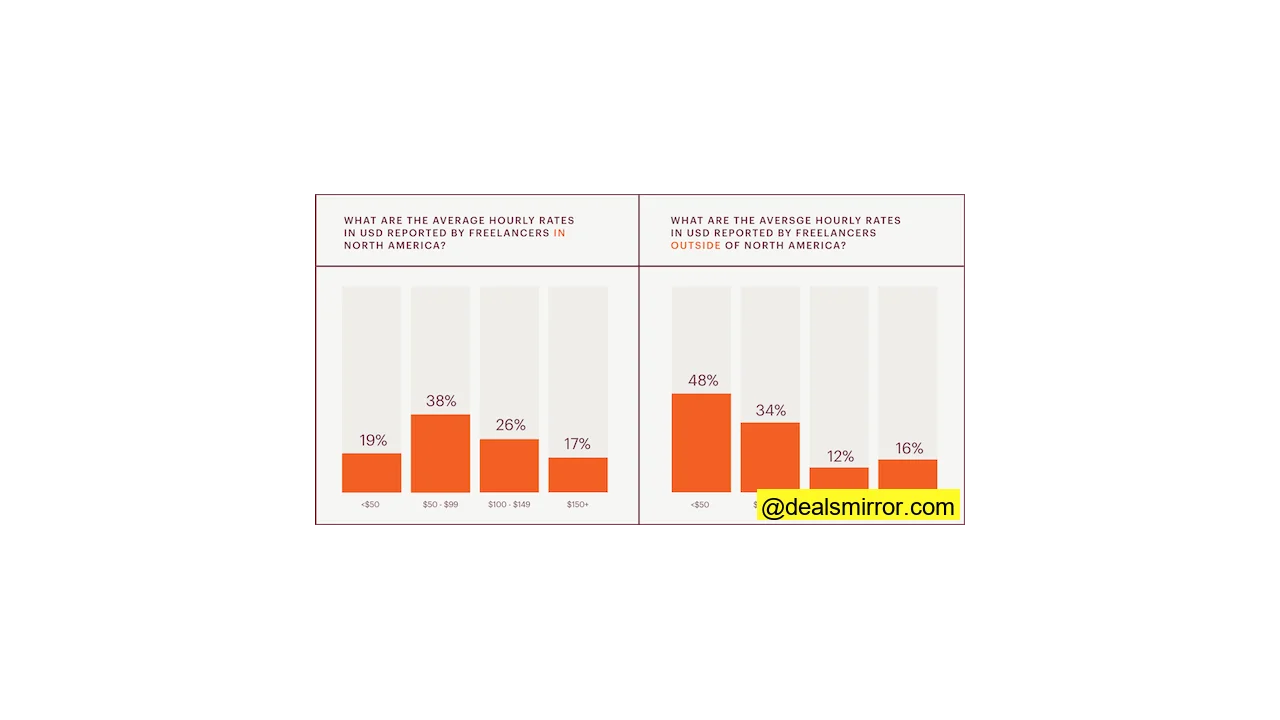
For small businesses new to email marketing, hiring an agency might seem daunting due to costs. In such cases, a freelancer can be a more budget-friendly option, often better suited for smaller operations. Here’s an overview of how Mailchimp partner freelancers typically charge, both within and outside of North America:
Your overall investment in email marketing is influenced by your ambitions, whether you start small or invest heavily. Let’s explore the agency scenario further.
An experienced full-service agency can cost around $2,500 monthly, though you can find agencies for less depending on their specific services and expertise. Before committing, thoroughly evaluate an agency’s email marketing proficiency, skills, and quality to ensure their price is justified.
Agency pricing can also be influenced by whether they charge blended or tiered rates. A blended rate means a consistent hourly charge across all team members, while a tiered rate means you’ll pay more for executives working on your campaigns compared to junior staff.
Here are typical average tiered hourly rates for email agencies:
And here are the blended hourly rates for email agencies in and outside North America:
Many agencies prefer working on a retainer basis, which is an agreement between a company and an agency for ongoing work, usually for more than one year or multiple projects. Statistics show that 95% of email marketing agencies have at least some client work on retainer, with an average of 41-60% of their work falling into this category.
Agencies use various pricing models for their email marketing services:
- Fixed rates: The client agrees on the project scope upfront, with a set price.
- Time and materials: Pricing is based on each hour worked.
- Agile pricing: Projects are divided into phases, each priced individually.
- Value-based pricing: The price reflects the client’s perceived value of the services.
- Performance-based pricing: Payments are contingent upon achieved results.
Here’s a look at which of these pricing models are most prominent among agencies:
Note: Agencies surveyed were able to select more than one answer.
Digital agencies offer various types of email marketing services, typically categorized as:
- Content creation services
- Analytics services
- Strategic services
- Technical and platform services
The most common contract value for email agencies in the first 12 months typically ranges between $5,000 and $49,000.
Regarding minimum contract value, most email agencies accept projects between $0 and $9,000 in the first year, but nearly half (49%) require a minimum contract value of $5,000 or more.
This provides a clearer picture of what to expect when hiring an agency for email marketing. Let’s break down costs by specific services.
1. Content Creation Services
Activities within the content service category include:
- Email copywriting
- Blog writing
- Editing
- Finding and creating images
- Email template design
- Complete email marketing campaign creation
For dedicated email content creation services, you can quickly spend $500 per month, typically for a maximum of 250 words per email. Utilizing a well-designed template can significantly reduce costs. Free email templates are also widely available if you have in-house design skills.
2. Analytics Services
Effective agencies continuously test, learn, and refine their marketing strategies. They monitor your email marketing campaigns, providing comprehensive reports, in-depth analysis, and optimized strategies.
Email agency activities for analytics typically involve:
- Campaign monitoring
- Data visualization
- Custom reports
- Segmentation analysis
- Reporting on your database and business outcomes
Reporting and analytics are usually integrated into agency packages, as agencies aim to demonstrate the results they deliver. Most include reports for lead generation, campaign analytics, and more across all their offerings.
A light analytics audit, where an agency evaluates your current data and provides recommendations, can cost around $750.
3. Strategic Services
Marketing agencies are instrumental in business growth by identifying effective marketing ideas and developing strategic plans. These services include:
- Market analysis
- Staff augmentation
- Road mapping
- Business optimization
Hiring an agency for strategic services requires an initial investment starting from $900, with potential costs reaching much higher depending on scope. Hourly rates for these services typically range from $75 to $275.
4. Technical and Platform Services
Agencies can offer crucial guidance on technology selection and implementation for your business, encompassing a wide range of tasks:
- Vendor selection & implementation
- Deliverability & compliance
- Technology optimization
- Data integration
How Much Does an Email Template Design Cost?
An email template is a reusable email design, typically an HTML file, compatible with your email marketing software. Using templates streamlines email creation, often allowing for simple drag-and-drop customization of elements like text, images, and brand colors.
When developing an email template, you can choose between a coding-only design or a comprehensive coding and design template. A code-only design means a developer creates an HTML template based on your specific requirements, including brand elements and a detailed description. This approach ensures brand consistency through matching colors and images.
The cost of designing an email template varies between agencies, ranging from as low as $100 to up to $2,000 for highly enhanced designs. Generally, a quality email design will cost between $500 to $1,000.
The DIY approach for email template design is significantly more cost-effective. There are many tools available, and tons of free email templates. This is a viable option if you have in-house design capabilities.
How Much Does Bulk Email Cost?
For certain email campaigns, you might need to send a large volume of emails, often referred to as email blasts or bulk emails (though these terms are not always favored in the industry). Unlike regular, targeted email campaigns, bulk emails are typically less personalized and sent to a broad segment of your subscribers for general announcements or sales where segmentation is less critical.
A bulk email service provider (ESP) is equipped to handle such high volumes. These providers often charge based on a rate known as CPM (Cost Per Mille), which is the cost of sending a thousand emails. It’s also known as Cost Per Thousand (CPT).
Here’s how to calculate your email marketing cost based on CPM:
(number of emails/1000) * CPM rate
Tiered CPM Rates
Most ESPs utilize a tiered CPM-based pricing structure, meaning your CPM rate decreases as the volume of emails you send increases. For example:
- 1 – 10,000 emails cost $12 CPM
- 10,000 – 50,000 emails cost $10 CPM
- 50,000 – 250,000 emails cost $8 CPM
If you consistently send large email volumes, you may have the opportunity to negotiate your CPM rate with your ESP. This often involves committing to a specific number of emails per year or purchasing email credits in bulk. Any variance from the committed volume can be balanced at the end of the contract term.
Other common email marketing pricing methods ESPs use for bulk emails include:
- Pricing based on the number of your email subscribers
- A fixed subscription fee
- A flat fee
How Much Does an Email List Cost?
To launch an email marketing campaign, an active email list is essential. You can acquire an email list through several methods:
- Building a new email list from scratch.
- Sponsoring and advertising initiatives.
- Purchasing or renting an email list from a third party for quick access.
When considering third-party options, you must decide whether to buy or rent. Be wary of offers promising millions of email contacts for $100 or less; these often contain invalid or illegally acquired emails. In many countries, buying email lists is illegal, and your email service provider will likely block sending to such lists, labeling you a spammer.
A more legitimate and safer alternative is to rent an email list from recognized brokers. This grants you limited-time access to a list of individuals who have consented to receive emails from third-party senders. Renting offers access to segmented lists of your target audience, potentially leading to higher response rates. Costs typically increase for more segmented or targeted audiences.
The quality of the rented list, indicated by open percentages and audience fit, also influences the price. In some cases, you might only pay for opens or clicks. Note that B2B email lists are generally more expensive than B2C lists.
Expect to pay around $200 – $400 for 5,000 B2C email addresses. For 5,000 B2B email addresses, the average cost ranges between $300 and $600.
How Much Does Growing an Email List Cost?
The costs associated with acquiring new email subscribers vary based on email type, industry, and desired quality. List growth costs are typically based on the following factors:
- Costs for generating traffic
- Cost of lead capture forms and opt-in mechanisms
- Cost of acquisition campaigns
- Cost of content and/or sign-up incentives
- The conversion percentages from traffic to sign-ups
Overall, the cost per contact can range from $2.5 to $20.
How Much Does a Newsletter Design Cost?
Email newsletters are a popular method for companies to maintain engagement with their audience, offering company news, product updates, or valuable tips. To make an impact, a newsletter needs an attractive and functional design that stands out in the inbox.
A well-designed newsletter should feature eye-catching visuals, valuable content, and easy readability. Your brand’s colors, fonts, buttons, and imagery must be consistently applied. So, what’s the typical cost for a customer newsletter design?
A newsletter design will generally cost between $500 – $2,000.
The final cost depends on the number of deliverables. You’ll pay less for visual design alone. However, some email template companies offer comprehensive services including coding, writing, testing, and multiple versions, which will increase the cost.
What Should You Invest in Email Marketing?
Businesses increasingly rely on email marketing due to its proven profitability and high return on investment. Consequently, companies allocate a significant portion of their marketing budget to email marketing.
According to Gartner’s The State of Marketing Budget and Strategy 2022, companies dedicate an average of 7.8% of their total marketing budget to email marketing.
The DMA reports that most B2C marketers anticipate an increase in their email marketing budget, while B2B marketers generally expect their budgets to remain stable.
Several factors influence your email marketing budget:
- Your annual revenue, profit margins, and overall marketing budget
- Your specific marketing goals
- The ambition and aggressiveness of your marketing tactics
- The budget invested in reach and the chosen channel
- Demonstrated and proven outcomes from past campaigns
It’s crucial to view email marketing as an investment rather than merely a cost. Like any investment, returns can vary significantly. While the average email marketing ROI is often cited as 3800%, individual results depend heavily on the execution of your email strategy. Consider the potential returns per dollar invested in different scenarios:
| Ambitious/high | Average | Ambitious / high |
| $0 – 7 | $7 – 25 | $25 – 45 |
Key Factors Influencing Email Marketing Costs
Many elements contribute to the overall cost of email marketing and the budget you’ll need. Let’s examine each in detail:
- Your choice of email marketing platform
- The number of emails sent
- The quality of your email list
- The complexity of your email campaigns
- The decision to handle email in-house or outsource
1. Your Choice of Email Marketing Platform
The email marketing platform is often the first cost consideration. It provides the essential infrastructure for running your campaigns. Features and pricing models vary widely among these platforms.
Below is a general list structure for popular platforms, outlining typical free versions/trials and monthly starting prices. Specific pricing details should always be verified directly with each provider.
| Email Marketing Tool | Free Trial / Free Version | Monthly Starting Price |
Note: These are minimum costs; email marketing software prices increase with list size and sending frequency. Free plans typically have limited features, while free trials usually include most features of the full software.
Price should not be the sole determinant when selecting an email marketing service. Most tools offer free trials or free versions, allowing you to test platforms to find the best fit for your business.
2. The Quality of Your Email List and Email Verification
An email list filled with unresponsive contacts can drain your marketing resources. Maintaining a high-quality email list requires continuously attracting new, engaged subscribers. Many list-building tools are available to help with this.
For cleaning up an existing email list, there are email verification tools that can identify and verify email addresses. The cost per email verified typically decreases with higher volumes.
Sending emails to an unhealthy list negatively impacts your open rates. Campaign Monitor’s benchmarks indicate that the average open rate for a healthy email list is around 18%, a number that would be significantly lower for an unverified list.
Let’s look at the costs of three popular email verification tools: Bouncer, Kickbox, and Mailchecker.
Bouncer
Bouncer is an email verification service known for its high deliverability. They offer both pay-as-you-go and monthly subscription plans. With pay-as-you-go, each credit verifies one email. Current rates are:
| Number of emails | Bouncer Price/email |
| 1,000 – 4,000 | $0.008 |
| 5,000 – 9,000 | $0.007 |
| 10,000 – 49,000 | $0.006 |
| 50,000 – 99,000 | $0.005 |
Here are the prices for Bouncer’s monthly plans:
- Apprentice ($50/month) for 10,000 email verifications
- Adept ($200-625/month) for 50,000-250,000 email verification credits
- Master ($1000/month) for 500,000 email verification credits
Kickbox
Kickbox is an email validation software that offers 100 free email verifications. They solely provide credit-based pay-as-you-go pricing. The rates are:
| Number of emails | Kickbox Price/email |
| 500 – 3,500 | $0.01 |
| 3,501 – 186,500 | $0.008 |
| 186,501 – 331,000 | $0.006 |
Email marketing best practices recommend cleaning your list regularly (at least once every six months) to remove inactive subscribers. This leads to higher engagement rates and ensures you don’t waste money sending to unresponsive leads. For more options, see our review of the best email verification services.
3. The Complexity of Email Design
Many email marketing ESPs offer pre-designed email templates. If these templates meet your needs, you can opt for a Do-It-Yourself (DIY) approach, customizing a template to match your brand and business for a cost-effective solution.
However, if you require a custom or elaborately designed email with unique layouts or advanced content blocks, you’ll need to hire a professional designer. The more complex the design and the more variations required, the higher the cost for design and coding.
4. In-House or Outsourcing
Outsourcing your email marketing efforts to agencies can involve significant costs, often thousands of dollars. However, agencies bring valuable experience and expertise to the table.
If you choose the DIY route to save on email marketing costs, you’ll need to invest time in learning how to set up and manage a successful email marketing campaign effectively.
How to Create an Email Marketing Strategy
While we’ve discussed email marketing costs, it’s equally important to understand how to leverage this powerful channel, which boasts an average return of $38 for every $1 spent. To achieve such results, a robust and well-executed strategy is paramount. A good email strategy clarifies your goals and outlines how you’ll measure success.
Here are the steps to help you create a winning email marketing strategy:
- Be clear on your email marketing goals
- Build your email list
- Create an email marketing calendar
- Send out your emails
- Analyze your performance
1. Be Clear on Your Email Marketing Goals
What is the primary aim of your marketing strategy? Having clear, defined goals is the foundation for successful email campaigns, helping you maintain focus and track progress effectively.
When setting your goals, it’s advisable to follow the SMART framework:
- Specific: Avoid vagueness; include as many details as possible about your objective.
- Measurable: Establish milestones and deadlines to monitor your progress.
- Achievable: While stretching your abilities and resources is acceptable, be realistic about your chances of success.
- Relevant: Ensure your goals align with and contribute directly to your broader business objectives.
- Time-bound: Set a target date to sharpen your focus and maintain motivation.
The most common email marketing goals include:
- Driving sales, revenue, and direct conversions via email
- Informational, customer service, and branding objectives
- Lead nurturing and lead qualification
- Increasing website traffic
- Growing the number of email subscribers
- Boosting your email open rates
- Improving deliverability
2. Building Your Email List
Before sending any email campaign, you need an email list – a database of profiles containing opt-in email addresses, allowing you to send marketing and promotional materials. Building your list organically remains the most effective way to ensure a high-quality, engaged audience. Your email strategy should detail the how, what, when, and why of your email list building efforts, including the costs and budgeting for list growth. More on how to build your list later.
3. Create an Email Marketing Calendar
Once you have an email list, avoid a haphazard “spray-and-pray” approach to content delivery. Develop an email marketing calendar to visualize and organize your strategy. This calendar will help you determine the optimal frequency and timing for your emails.
In addition to scheduled, regular email newsletters and promotions, include automated and triggered emails. Allocate time within your calendar to periodically review and optimize your automated email sequences.
4. Send Out Your Emails
When sending emails, craft a compelling subject line. Your email subject line is crucial; it’s the first thing recipients see and plays a major role in their decision to open your email. To master your subject lines, follow these tips:
- Keep your subject lines concise.
- Consider using your recipients’ name in the subject line for personalization.
- Ensure your subject line promises clear value to the reader.
Also, ensure your tone of voice resonates with your audience. A consistent brand voice fosters connection with your readers, potentially increasing their responsiveness to your offers.
Always remember to include clear call-to-actions (CTAs) in your emails, guiding your audience on the next desired step.
5. Analyze Your Performance
A strong email strategy necessitates a clear understanding of how you’ll measure success. Analyzing your performance is essential for identifying what works and what doesn’t.
To gain deeper insights and optimize your email campaigns, conduct A/B testing on your emails. A/B testing involves sending two or more variations of your email to different segments of your audience to determine which performs best. Experiment with variations in your designs, subject lines, email content, CTAs, font sizes, and even send times.
How to Build an Email List
While we’ve discussed the costs associated with renting an email list, building your own list from scratch is often the most transparent way to ensure high-quality, engaged contacts. The following tips will help you grow your email list effectively:
- Create a new lead magnet
- Make use of lead capturing forms
- Create a referral program
- Hold giveaways and contests
- Promote your offers on social media
1. Create a New Lead Magnet
One of the easiest ways to entice people to join your list is by creating a lead magnet. A lead magnet is a free item or service offered in exchange for an email address. Effective lead magnet ideas include:
- Swipe files
- Checklists
- Templates
- Worksheets
- E-books
- Tutorials
Whatever you choose, ensure it addresses one of your customer’s pain points.
2. Add Lead Capture Forms to Your Website
Make it simple for your audience to sign up by incorporating email signup forms on your website. This can be as straightforward as adding a form to your sidebar or as advanced as utilizing an exit-intent popup.
You can also include a checkbox on your contact form that visitors can tick if they wish to join your email list.
3. Create Referral Programs
Research indicates that 92% of consumers trust recommendations from people they know, making referrals a powerful source of leads. Offer incentives such as credits, discounts, or coupons to encourage current subscribers to share your content and bring in new sign-ups.
4. Hold Giveaways and Contests
Contests boast an impressive 34% conversion rate, making them highly effective for acquiring new customers. Promote your contests through social media or your existing referral program. Approximately 94.5% of users share a promotion immediately after registering for it.
5. Promote Your Offers on Social Media
Direct traffic from your social media accounts to a dedicated landing page where visitors can sign up. Promote gated free resources (e.g., via Facebook or X, formerly Twitter) that require an email address for access. Don’t forget to include social buttons on your website to grow your social media following as well.
Building your email list is an ongoing process. According to Hubspot, email lists typically degrade by about 22.4% annually. Therefore, unless you actively replenish lost leads, your email list will continuously shrink over time.
Conclusion
The cost of email marketing largely depends on your business size and the scale of your email list. For a small business, expenses could range from $17 (for a 100% DIY approach) to around $1950 per month. If you decide to hire an agency, be prepared to invest approximately $2500 or more monthly.
An often-overlooked cost in email marketing is time itself. Time is money, so it’s crucial to factor in the time investment when calculating your total email marketing costs.
Remember, investing in email marketing doesn’t guarantee revenue and success automatically. These outcomes are directly tied to the effectiveness of your email marketing strategy and its execution.