In today’s competitive landscape, Customer Relationship Management (CRM) is not just a tool—it’s the backbone of business growth and customer loyalty. Modern consumers prioritize exceptional brand experiences, making a deep understanding of customer expectations paramount for acquisition and retention.
This comprehensive article dives into the most current, compelling, and often surprising CRM statistics, unveiling key insights and emerging trends that every business leader needs to monitor closely.
Top CRM Statistics & Key Insights
Here’s a quick glance at some of the most impactful CRM statistics shaping the industry:
- **SaaS CRM Growth:** The Software-as-a-Service (SaaS) CRM market is projected to grow by 13.43% between 2024 and 2027, maintaining a strong Compound Annual Growth Rate (CAGR) since 2022.
- **North American Dominance:** In 2022, North America held the largest market share for CRM software, accounting for a significant 43.6%.
- **Desired CRM Features:** Automation is the most sought-after feature in a CRM tool, cited by 45% of companies. This is followed by integration (36%), mobile accessibility (20%), ease of use (15%), and customization (8%).
- **Usability Challenges:** A notable 50% of sales leaders find their CRM difficult to use, with 18% attributing lost opportunities or revenue directly to these usability issues.
- **Budget vs. CRM Adoption:** CRM and sales automation adoption correlates with budget size: 86% of large-budget companies, 72% of medium-budget companies, and 68% of small-budget companies utilize these tools.
CRM Statistics: Market Size Growth
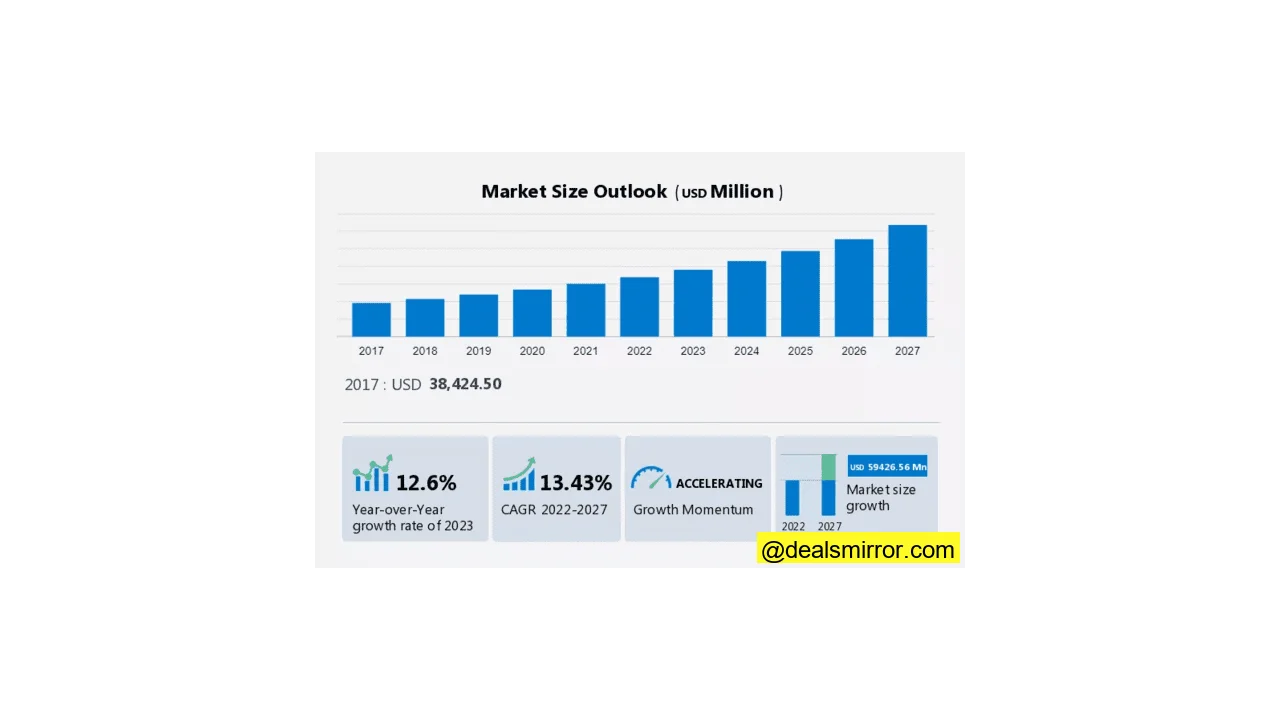
1. **SaaS CRM (Cloud-based CRM) is estimated to grow at a compound annual growth rate (CAGR) of 13.43% between 2022 and 2027.**
2. **Experts anticipate the CRM market size to expand by an impressive $59 billion between 2022 and 2027.** This growth is fueled by various factors, including the increasing adoption of SaaS CRM solutions by small and medium-sized enterprises (SMEs).
3. **The CRM market size was valued at $58.82 billion in 2022 and is projected to expand with a CAGR of 13.9% from 2023 to 2030.** Key contributing factors to this expansion include Artificial Intelligence (AI) integration, enhanced automation capabilities, and the growing implementation of social media for customer service.
4. **North America held the largest market share of CRM software in 2022, commanding 43.6% of the global market.** This dominance is largely due to the increasing adoption of advanced CRM platforms by numerous regional enterprises. For more insights, explore top CRM providers.
5. **The Asia Pacific CRM market is experiencing the fastest growth, with a CAGR of 15.6%.** Countries like China and India are significant drivers of demand for CRM platforms in this region. For insights into regional solutions, explore CRM software for Asia Pacific.
CRM Adoption Statistics
1. **A substantial 84% of companies actively seeking CRM software have fewer than 1,000 employees**, highlighting a strong demand among mid-sized businesses.
2. **The service industry leads the search for CRM software, with 32% of companies in this sector actively looking.** The IT and manufacturing industries follow, each accounting for 13% of companies seeking CRM solutions.
3. **Despite dedicated CRM solutions, 29% of companies rely on Outlook to manage essential CRM features.** Other common substitutes include Excel (22%) and Gmail, indicating a reliance on general productivity tools for customer management.
4. **Out of 500 tools identified as replacements for CRM, 300 were neither CRM solutions nor CRM-related tools**, underscoring a significant gap in specialized customer relationship management.
5. **Companies are seeking CRM software to address specific pain points:** 22.75% aim to resolve a lack of functionality, 17.25% desire more centralized data management, and 12.55% find their current setup “cumbersome.”
6. **An overwhelming 89% of marketing organizations utilize CRM software** as they increasingly engage with customers through online channels.
7. **Among law firms, CRM’s impact on efficiency varies:** 36% reported a minor impact, 33% a moderate impact, 18% no impact, and 13% a major impact.
8. **A collaborative 63% of marketers use the same CRM systems as their sales and service departments**, fostering better alignment and data consistency.
9. **An impressive 91% of companies with 10 or more employees currently use a CRM system**, demonstrating its near-ubiquitous adoption in established businesses.
Mobile CRM Statistics
1. **The global mobile CRM market is projected to reach $52.4 billion by 2029, growing at a robust CAGR of 10.4%.**
2. **Software accessible on mobile devices accounts for 27% of the total global CRM market**, emphasizing the importance of mobile functionality.
3. **North America holds the largest share of global mobile CRM access at 25.7%,** driven by a high concentration of major enterprises and their extensive customer bases.
4. **Developed economies in Europe contribute 20% of global mobile CRM market sales**, reflecting strong adoption in the region.
5. **The mobile CRM market in the Middle East and Africa currently has the lowest market share at just 3.7%,** indicating significant growth potential.
CRM Sales Team Statistics
1. **A significant 88% of sales leaders anticipate that AI will enhance their CRM processes within the next two years.**
2. **While 66% of inside sellers (those selling remotely) consider their CRM software important, less than half use it daily**, suggesting a gap between perceived value and consistent application.
3. **Only 47% of sellers regularly utilize CRM software**, indicating under-optimization of these powerful tools.
4. **Nearly half (46%) of sellers do not use CRM software in the manner it was intended**, leading to potential inefficiencies and missed benefits.
5. **A startling 85% of sellers admit to making embarrassing mistakes due to faulty CRM data**, highlighting the critical need for data accuracy.
6. **Only 47% of sellers consider their CRM software a go-to tool**, suggesting many view it as a secondary or mandatory system rather than a primary productivity asset.
7. **A substantial 66% of sellers would rather undertake unpleasant tasks than update their CRM software**, underscoring a significant challenge in user adoption and data maintenance.
8. **Salespeople working from home are more likely to use CRM software (83%) compared to those not working from home (75%)**, pointing to its increased utility in remote work environments.
9. **An overwhelming 79% of salespeople consider it standard practice to use CRM for tracking sales**, affirming its role as a fundamental sales management tool.
10. **Effective sellers dedicate 18% more time to updating their CRM system than average sellers**, suggesting a correlation between diligent CRM use and sales performance.
11. **Sellers rank CRM (97%) and sales intelligence (97%) software as the most important elements of their tech stack**, emphasizing their foundational role in modern sales operations.
12. **Inaccurate data within their CRM system is cited as the biggest challenge by 41% of sellers**, impacting decision-making and efficiency.
13. **Sales representatives spend an average of 19% of their time updating their CRM**, indicating a significant time investment in data entry and maintenance.
14. **Among sales leaders who transitioned their teams to remote work, 13.67% rank CRM software as the most important tool for success**, highlighting its crucial role in managing distributed sales forces.
15. **Over half (52%) of sales leaders believe their CRM platform is costing them potential revenue opportunities**, signaling frustrations with system limitations or inefficiencies.
16. **53% of sales leaders report that their CRM causes friction for their sales team**, pointing to issues with usability, complexity, or integration.
CRM Automation
1. **Automation is the most desired feature in a CRM tool, cited by 45% of users.** Other highly valued features include integration (36%), mobile capabilities (20%), ease of use (15%), and customization (8%).
2. **84% of companies that self-identify as “successful” or “somewhat successful” leverage CRM or sales automation software.** In stark contrast, only 42% of unsuccessful companies actively use CRM, with a lack of financial resources often being a primary barrier.
3. **The adoption of CRM or sales automation increases with budget size:** 86% of companies with a large budget (over CHF 500,000), 72% with a medium budget (CHF 100,000-500,000), and 68% with a small budget (less than CHF 100,000) utilize these solutions.
4. **Regarding marketing software for lead generation and customer retention, 34% of companies use it somewhat, 28% plan to adopt it within two years, 25% use it extensively, and 13% have no plans for adoption.**
5. **Integration with existing CRM software is the most critical feature companies look for in marketing automation software, cited by 55%.**
6. **A majority (61%) of overperforming leaders utilize CRM to automate various parts of their sales process**, demonstrating a link between automation and high performance.
7. **Sales teams using CRM software leverage it for a range of automated tasks:** scheduling meetings (42%), content automation (40%), quote generation (36%), meeting follow-ups (34%), rep assignments (29%), and lead scoring (28%).
CRM Software Statistics
1. **50% of sales leaders face challenges with successful CRM implementation, with 18% reporting lost opportunities or revenue as a direct consequence.**
2. **A significant 76% of leaders state that their sales teams do not fully utilize all the tools available within their CRM system**, indicating underleveraged potential.
3. **47% of sales leaders express doubt that their current CRM software will help them achieve business goals over the next three years.**
4. **Only 34% of sales leaders believe their CRM effectively helps them deliver the customer experience their clients expect.**
5. **Salesforce held the largest CRM market share in 2021 with 23.8%,** significantly outpacing competitors like SAP, Microsoft, and Oracle, which each held around 5%.
6. **For companies with an annual revenue under $50 million, 20% defer the CRM software purchase decision to the CEO.**
7. **Conversely, in companies with annual revenue exceeding $50 million, 30% assign the CRM software purchasing decision to the IT department.**
8. **62% of companies report using AI-powered CRM software**, reflecting a growing trend towards intelligent customer management solutions.
9. **56.55% of surveyed professionals rank CRM as the most valuable software** in their operational toolkit.
10. **48% of professionals state that their CRM software fails to provide the detailed insights needed to meet their sales quotas.**
11. **A considerable 43% of professionals find their CRM software too complex and unintuitive,** hindering effective use.
12. **Over 570,000 websites utilize at least one sales funnel software tool, with prominent platforms including ClickFunnels (55.8%), OptimizePress (19.9%), Builderall (9.4%), Keap (6.6%), and Kajabi (5.9%).** For a detailed comparison of popular platforms, consider ClickFunnels vs Builderall.
8 Benefits of Using CRM
Investing in a robust CRM system is a strategic move for any business aiming for sustainable growth. By automating tasks and centralizing data, CRM significantly boosts sales productivity, fosters more consistent customer interactions, and ultimately enhances overall customer satisfaction. As remote work continues to evolve, cloud CRM solutions are becoming increasingly vital. Here are eight compelling benefits of integrating CRM into your business operations:
1. Enhanced Sales Productivity
A CRM system automates repetitive administrative tasks, freeing up sales professionals to focus on core activities like prospecting and closing deals. This direct boost in efficiency leads to higher output and better utilization of your sales team’s time.
2. Consistent Customer Interactions
With centralized data, all teams have access to the same customer information, ensuring a consistent brand message and service quality across every touchpoint. This uniformity builds trust and reinforces customer relationships.
3. Improved Customer Satisfaction
By providing teams with a 360-degree view of the customer, CRM enables more personalized and responsive service. Addressing customer needs effectively and proactively leads to significantly higher satisfaction levels.
4. Stronger Customer Relationships
Salespeople can leverage CRM data to personalize interactions with prospects and existing customers. By understanding a customer’s background and purchase history, sales representatives can recommend products and services that truly resonate, fostering deeper and more loyal relationships. Consistent communication supported by centralized data ensures all teams are aligned, allowing marketing to tailor campaigns based on past customer service interactions.
5. Increased Revenue Generation
Automating processes and centralizing data within a CRM frees up valuable time for salespeople, directly increasing sales productivity and driving revenue growth. CRM software can also be instrumental in designing and managing effective loyalty programs, which in turn encourage repeat purchases and customer lifetime value.
6. Optimized Marketing Campaigns
CRM systems store rich customer data that is invaluable for developing highly targeted and effective marketing campaigns. By tracking customer positions within the sales funnel and their interactions, businesses can automate personalized follow-up emails and marketing messages, significantly improving conversion rates. Marketing and sales campaigns can be automated based on predefined triggers or specific customer behavior, ensuring timely and relevant communication.
7. Effective Cross-Channel Communication
CRM software meticulously tracks and logs all customer conversations across various channels. This comprehensive record provides sales and service teams with all the necessary information to perform their jobs efficiently, ensuring seamless handoffs and informed customer support.
8. Scalability for Growth
As your business expands, a CRM system needs to grow with you. Advanced CRM features often include robust customization options, powerful sales forecasting tools, modular functionalities, and sophisticated database management. Some businesses prefer to manage projects and customer relationships within a single platform. Furthermore, as your sales team grows, CRM allows for granular user permissions, enabling sales managers to access all necessary data while restricting specific features for individual salespeople, ensuring data security and operational efficiency.
For further insights into sales and marketing performance, explore our collections on email marketing statistics and cold calling statistics.
Sources
CRM Statistics: Market Size Growth
1-2. Technavio “SaaS Customer Relationship Management (CRM) Market by End-user, Application, and Geography – Forecast and Analysis 2023-2027” Dec 2022
3-5. Grand View Research “Customer Relationship Management Market Size, Share, & Trends Analysis Report… 2023 to 2030”
6. Apps Run The World “Top 10 Cloud CRM Software Vendors, Market Size and Forecast 2020-2025” April 2021
CRM Adoption Statistics
1-5. SelectHub “Ultimate CRM Software Market Guide” Nov 2023
6. Salesforce “State of Marketing — 7th Edition” 2021
7. Aderant “The 2020 Aderant Business of Law and Legal Technology Survey”
8. Salesforce “State of Marketing — 6th Edition” 2020
9. Grand View Research “Customer Relationship Management Market Size, Share, & Trends Analysis Report… 2023 to 2030”
Mobile CRM Statistics
1-6. Future Market Insights “Mobile CRM Market by Enterprise Size, By Vertical, and Region” July 2022
CRM Sales Team Statistics
1. Sugar CRM “2021 CRM and Sales Impact Report” 2022
2-7. Oracle “Getting Past the Breaking Point of Yesterday’s CRM”
8-9. Pipedrive “State of Sales 2020 – 2021” 2021
10-13. LinkedIn “LinkedIn State of Sales Report 2022 — United States and Canada Edition” 2022
14. HubSpot “HubSpot Research Global Sales Enablement Survey” Oct 2020
15-17. Sugar CRM “2021 CRM and Sales Impact Report” 2022
CRM Automation
1. SelectHub “Ultimate CRM Software Market Guide” Nov 2023
2-5. ResearchGate “Marketing Automation Report 2021: Lead Generation and Lead Qualification Through Data-Driven Marketing in B2B” Feb 2021
6-7. HubSpot “HubSpot Research Global Sales Enablement Survey” Oct 2020
CRM Software Statistics
1-4. HubSpot “[New Research] It’s Official — Lots of Salespeople Hate Their CRM” Sept 2020
5. Statista “Leading vendor market revenue share of customer relationship management (CRM) applications market worldwide from 2016 to 2021” June 2022
6-7. SelectHub “Ultimate CRM Software Market Guide” Nov 2023
8. Salesforce “Salesforce Economic Impact: Salesforce AI-Powered Cloud Solutions Will Generate $948 Billion in New Revenues for Customers by 2028” Dec 2023
9. T3 Technology Hub “T3/Inside Information Advisor Software Survey” Mar 2021
10-11. Sugar CRM “2021 CRM and Sales Impact Report” 2022
12. MARKINBLOG “The Most Popular Sales Funnel Software in The World (2021), by Market Share” Sept 2021