Are you considering selling digital products? It’s an excellent venture! Items like eBooks, online courses, and downloadable assets have exploded in popularity, and for good reason. While online competition can be intense, digital products often require less time and effort to create and sell compared to physical goods. Launching an online course, for example, can be significantly more streamlined than organizing face-to-face training.
This comprehensive guide will walk you through the most popular types of digital products, highlight why digital often outperforms physical goods, and equip you with powerful strategies and tools to successfully sell your creations!
What Are Digital Products?
Digital products are intangible items that can be sold, distributed, and consumed entirely online. Common examples include eBooks, software applications, online courses, and audio files.
Today, many freelancers and entrepreneurs are moving their businesses online. You’ll find photographers selling virtual courses, writers offering eBooks, developers creating mobile apps, and designers providing custom logos and fonts. The opportunities for selling digital products are vast, enabling virtually anyone to build a thriving online business.
Digital Products vs. Physical Products: Why Digital Often Wins
Starting a business with digital products is generally much simpler than with physical goods, and it typically boasts significantly higher profit margins.
Physical products come with numerous upfront costs and logistical challenges. You need to manage inventory, packaging, shipping, taxes, import duties, and a host of other factors that can easily become obstacles. Setting up a brick-and-mortar shop is an even larger, time-consuming undertaking that can overwhelm you before you’ve even begun.
With digital products and online stores, most of these concerns simply don’t apply.
Digital goods are also easier to create and distribute. Because you’re selling virtual items online, the business model is highly scalable. With the right skills, you can often create your entire digital product from start to finish yourself, eliminating the need for staff, middlemen, or partners.
In summary, digital products offer compelling benefits:
- Easier and faster creation process compared to physical products
- Often feature high-profit margins, leading to more profitable ventures
- Potential for recurring revenue streams
- Greater flexibility in product range and pricing models
- Opportunity for evergreen content that remains relevant over time
- No shipping costs or restrictions, contributing to sustainability
- Eliminates the need for physical storage space
- Avoids international taxes and import challenges
- Offers superior scalability for growth
- Typically requires fewer personnel to manage
The crucial question then becomes: “What are the best digital products to sell?” Let’s explore some of the most popular digital goods ideas.
How to Choose Your Ideal Digital Product to Sell
Deciding which digital product to create and sell is a strategic process. Unless you already have a very clear product or service in mind, such as photography skills or marketing expertise, identifying the right niche requires thoughtful consideration.
By investing time in research, you can develop a valuable product that genuinely resonates with and attracts your target audience.
Start with these four essential steps:
- Pinpoint a problem your digital product can solve: Will your solution save customers time or money? Will it teach them a valuable skill? Reflect on pain points in your own life that a digital product could address.
- Conduct research to define your target market: Develop a persona for your ideal customer. This will help you niche down and personalize your future marketing efforts to connect most effectively with the right buyers.
- Validate your idea: Utilize a keyword tool to gauge search interest for topics related to your product. Gather feedback from friends, family, and potential customers.
Authenticity is key to developing a winning idea. Consider creating a product in an industry you’re genuinely passionate about. If you’re struggling for inspiration, explore these avenues for product ideas:
- Online communities. Search for a topic you’re interested in (e.g., digital nomads, working moms) and look for common pain points.
- Existing brick-and-mortar businesses. Are there successful businesses that could be reimagined for an e-commerce model?
- Your competitors. Identify successful players in your chosen industry and analyze which products have performed well and why.
You might not get it perfectly right on the first attempt, but by starting small, soliciting feedback, and continuously researching, you can refine your idea and improve it with each iteration.
Popular Digital Products to Sell Online
1. eBooks
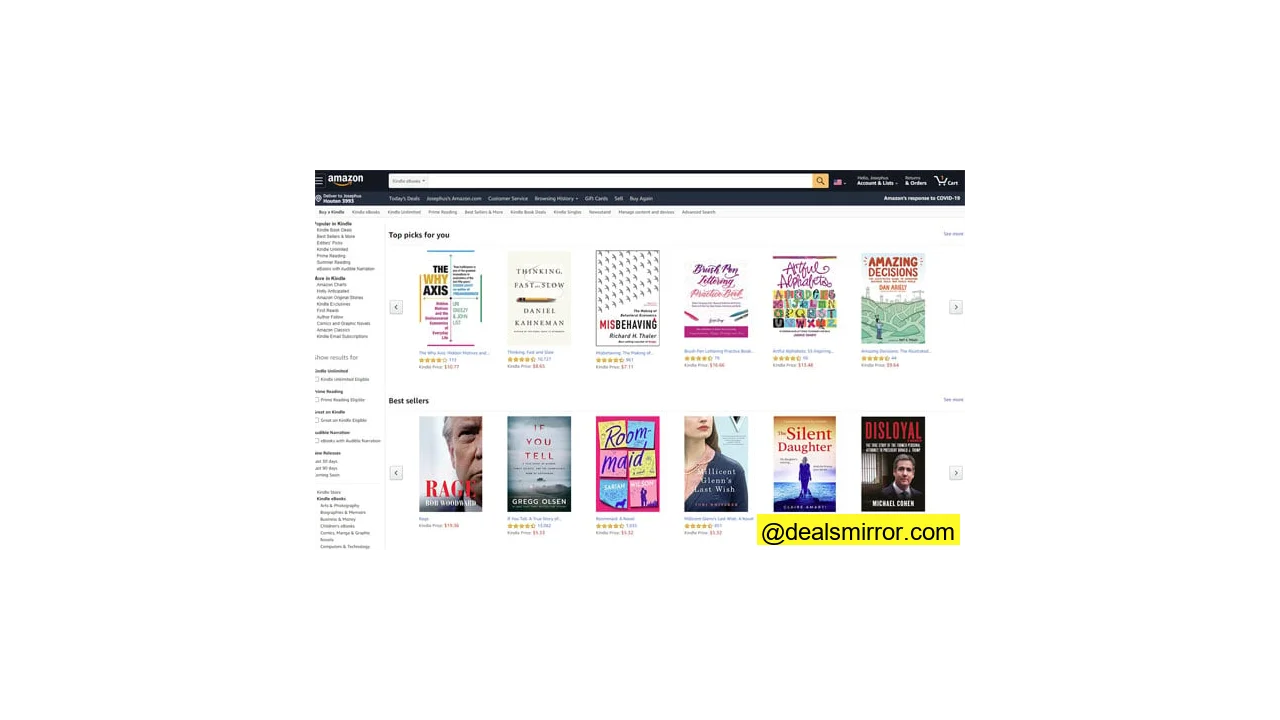
Are you knowledgeable about a particular subject and skilled at expressing your thoughts in writing? Capture your readers with compelling eBooks. eBooks are a fantastic digital product to sell; they’re relatively straightforward to create—simply write your content, format it, and save it as a PDF!
You have complete control over the visual appeal of your eBook, from designing just the cover page to incorporating custom-designed pages and illustrations throughout.
eBooks seamlessly fit into various business models due to their ease of promotion. For instance, you can share or sell them as a whitepaper lead magnet, through online marketplaces, or even via social media. Many aspiring entrepreneurs look to sell digital downloads directly from their own website.
Customers appreciate eBooks because they can read them conveniently on their e-reader, tablet, Kindle, laptop, or any other compatible device.
eBooks aren’t just for novelists. Many individuals successfully sell eBooks covering diverse topics such as health, self-help, finance, interior design—the possibilities are endless! If you need help with writing, consider hiring writers and marketers.
2. Online Courses
The e-learning industry continues its rapid growth, with platforms like Podia, Udemy, and Skillshare empowering individuals to share their expertise through online courses.
Digital courses offer the flexibility to market them in a way that aligns with your strategy:
- Set a price for a one-off course.
- Bundle multiple courses together or include them as part of a larger product offering.
- Create a membership model with ongoing subscriptions.
With an online course as the core of a membership, your subscribers pay for access to courses, a community, and continuous content. If you’re serious about creating and marketing your own training course, you might consider using an online course platform or Learning Management System (LMS).
As an instructor, you determine the interactivity of your course. You can offer it as an on-demand training or go the extra mile by making it a highly interactive experience for students. Live lectures, exclusive webinars, Q&A sessions, personalized feedback, or coaching can significantly increase your course’s value and justify a higher price point. Many courses also include some form of assessment and a certificate upon completion.
3. Audio and Music
While “audio” often brings to mind artists selling albums and songs, this category encompasses far more than just music tracks. Selling audio and music as a digital product can include jingles, sound effects, instrumentals for karaoke, background music for work, meditation, or tutorial videos, lectures, audiobooks, ringtones, samples, language lessons – the list is truly extensive.
If you have a knack for recording and editing, and can identify the right target audience, you can successfully sell a wide array of audio products online.
4. Paid Newsletters
Have you considered monetizing your newsletter? Running a premium paid newsletter service is another effective way to generate income online. This approach is particularly easy to pitch to readers and convert them into subscribers if you’ve already cultivated a sizable email list.
It will require effort to develop and deliver a concept valuable enough to monetize, but the reward is a recurring, easily scalable income stream.
5. Podcasts
Podcasts are also audio products, but they warrant their own dedicated section due to their immense popularity. Podcasts have been steadily on the rise, with many entrepreneurs shifting from blogging to launching their own podcasts, where they might speak solo or invite guests (thereby expanding each other’s reach).
Platforms like Patreon, a subscription service designed for artists and creators, enable you to monetize your podcast (or any other digital product). Your members, known as “Patrons,” can sign up for different subscription tiers, receiving various perks depending on their chosen level. Numerous podcast platforms are available to host your content and manage most of the technical aspects.
6. Photography
Photographers have abundant options when it comes to selling digital products and services. During the pandemic, virtual photoshoots gained significant traction, with celebrities like Demi Lovato even sharing images from her virtual video chat photoshoot.
Beyond services, you can also sell digital photography products. Consider high-quality stock photos, presets for Lightroom, and filters for various apps. You can sell your photographs through platforms such as Etsy, JUNIQE, Zazzle, or Big Cartel.
7. Software (SaaS Products)
While a SaaS (Software as a Service) product demands substantial time for development and launch, it often offers the highest return on investment among all the digital product ideas mentioned. These products can range from apps, plugins, snippets, and more.
Consider widely used email software tools like MailerLite, project management tools, and file storage services such as Dropbox. You’ll either need strong coding skills yourself or collaborate with a team for this project. It’s arguably the most challenging and time-consuming idea on this list, but also one that can generate substantial revenue and long-term success when executed effectively.
8. Memberships and Subscriptions
Memberships and subscriptions are an excellent strategy for scaling your business and fostering ongoing relationships with your customers.
If you operate a website, you might consider offering exclusive, high-value content for a small monthly fee. For instance, a job board could implement a membership model by providing new job opportunities to paid members first, before publicly advertising them on their main website.
Many one-time purchases, like eBooks, can be transformed into a subscription service by offering members exclusive digital content. Consider offering free trials to allow users to test the service, or adopt a “freemium” model where paid members receive additional features, downloads, or premium content.
One-off purchases that can be converted into memberships or subscriptions include:
- Fitness and meal plans
- Online guides and courses
- Access to online communities
9. Downloadables
Downloadables are digital products that can be downloaded and often printed, such as:
- Infographics
- Checklists
- Printables (journal questions, calendars, invitations, etc.)
- Patterns
- Mock-ups
- Bundles
- Digital Art
- Meal plans
- Excel spreadsheets
- Workout plans
Downloadables also serve as an excellent way to entice potential customers to subscribe to your email list. By offering a free download when subscribers sign up, you can then market your paid products to an audience that has already demonstrated genuine interest in what you provide.
10. Themes and Templates for Websites
If you possess design and coding expertise, selling website templates and themes is a highly viable digital product idea. There is significant ongoing demand for WordPress themes or templates for popular website builders and e-commerce platforms like Wix, Shopify, and others.
11. Custom Fonts and Logos
With countless websites and landing pages being created daily, there’s a constant need for fresh and exciting fonts to help online businesses distinguish themselves. Custom fonts can be utilized for website content, logos, and various other digital marketing materials.
If you’re a graphic designer, you can also design and sell custom logos. To build your client base, creative platforms like 99designs can help you secure your initial projects.
12. Photoshop and Lightroom Presets
Presets are customizable filters designed for use in Adobe Photoshop and Lightroom. People use them to apply a consistent and cohesive style to their photos. They are especially popular among social media users and professional photographers.
If you have a keen eye for detail or an understanding of trending aesthetics on social platforms like Instagram, you can create your own presets and sell them on your website or platforms such as Etsy, Sellfy, FilterGrade, or Creative Market.
How to Sell Digital Products, Downloads, and Expertise Online
Now that you have a fantastic product idea, the next step is figuring out how to effectively sell your digital creations.
As with any promotion, you need to start generating buzz. Where can you talk about your business? Begin with friends and family, your immediate network, and then expand to your online channels. The more often someone encounters your brand and products, the higher your chances of converting them into a customer. Research indicates that, on average, it takes 6-8 interactions before people make a purchase.
13 Proven Ways to Effectively Sell Digital Products
1. Create a Website or Landing Page
A website or landing page functions as your virtual storefront. It provides an avenue for organic traffic, similar to foot traffic in a physical store. If someone is searching for a product or service like yours, having a professional website lends credibility to your brand.
You don’t need to be an expert designer to build a beautiful website. No-code or low-code website builders such as Squarespace, Wix, and WordPress offer numerous free templates that you can customize to create a well-designed site.
You can also use integrations and WordPress plugins to incorporate payment platforms like Stripe, enabling you to quickly and easily start selling your digital products.
2. Engage in Online Forums and Ask for Product Advice
Beyond platforms like Quora, Reddit, and Yahoo Answers, there’s a vast world of online communities, including countless Facebook groups. Any virtual space where people gather to chat is an excellent place to seek advice about your product.
This approach allows you to gather valuable feedback and simultaneously raise awareness for your product. You can narrow down which communities to target by looking for specific niches or topics. For instance, you’ll often find people asking for input on what makes the best eBook cover.
3. Build Hype on Social Media
Cultivating a following on social media provides you with a captive audience, already interested in your topic, ready to engage when your product officially launches.
With dynamic social media formats like TikTok and Instagram Reels, it’s easier than ever to rapidly build a loyal audience. TikToks and Reels are automatically promoted to users who view similar content. By consistently following trends and posting regularly, you can attract a steady stream of new followers.
Engage with these followers, invite them to join your email list for exclusive content, drive traffic to your website, and generate excitement around your upcoming product.
4. Invest in Paid Advertisements
Paid advertisements require a financial investment, but they are a powerful tool for quickly spreading awareness. Opt for long-tail keywords with less competition to make your budget go further.
Paid ads are an important part of your sales mix.
The better targeted your ads, the higher your chances of success. You’ll find that Search Engine Advertising (SEA), banner ads, and social media ads each have their own pros and cons for promoting your product. Retargeting campaigns are also an effective option.
5. Guest Blog on a Website with the Same Target Audience
If you don’t yet have your own audience, a strong strategy to raise brand awareness is by guest blogging on a website that already has a significant following. This is particularly effective when that audience aligns with people who might be interested in the digital products you sell.
We recommend researching blogger outreach and investing time in building authentic relationships before requesting a guest blog spot (unless the website explicitly offers this service on their page).
6. Use Influencers to Promote Your Product with Their Fan Base
Similar to guest blogging, collaborating with influencers can be a valuable tool for raising awareness within a specific target group. Today, there are countless influencers across many different niches. While this offers more options, be sure to meticulously check their engagement statistics to make a realistic evaluation of your potential return on investment.
7. Promote Your Digital Downloads with Email Marketing
When you use your own landing page or website to register/purchase and deliver your digital file via email, you need to automate this process. By allowing customers to opt-in to receive newsletters when providing their email addresses, you can build and nurture long-term relationships with your customers.
Email is also beneficial when you’re selling via a platform like Etsy. In this scenario, you can automatically trigger a follow-up email after someone completes their purchase, using email automation. By nurturing the relationship between you and the new client, you can build trust and upsell other products.
8. Give Away Lead Magnets to Get People to Sign Up for Your Email List
People love freebies and discounts. When you can offer genuine value, it’s significantly easier to convince visitors to share their email address with you. Ensure your lead magnet resonates with your audience, is genuinely valuable, and gets them excited about receiving more content from you.
9. Host a Contest
Who doesn’t love a contest? Setting one up can be challenging, as you want to attract as many participants as possible! Effective tactics include teaming up with another brand or an influencer, and asking participants to tag a friend or share the contest to increase their chances of winning. And, of course, ensure the prize is truly worthwhile!
10. Offer Your Product for Free or at a Lower Price for a Limited Time
Remember Harry’s? This razor blade manufacturer generated massive hype with their pre-launch marketing campaign, sending out free products to everyone who promoted their brand to friends. You can create a powerful snowball effect and collect many new leads by offering your product or service for free, or at a significantly reduced price, for a limited time.
11. Create a Launch Event, Either Virtually or In Real Life
Today, everyone is familiar with Zoom, and virtual events have become extremely popular. So why not host your own event to promote your product? Event invitations can be sent via email, and channels like Facebook and LinkedIn make it easy to invite people to join the party.
A launch event can easily be framed as a webinar where you discuss the topic of your digital products. During the event, you can effectively promote your digital offerings. In particular, webinars are an excellent way to promote your online courses. Automate the follow-up to your on-demand session, and you’ve created a powerful lead funnel.
12. Send Out Press Releases
It’s an age-old trick, but one that can still be highly effective in generating exposure. Look for online directories that can help you find the right media outlets and distribute your press release en masse to save time.
13. List Your Product on Review Websites
Customer reviews are an essential component of selling digital products online. 93.4% of potential customers rely on customer reviews when purchasing a new product or dealing with an unfamiliar retailer.
On review websites like TrustPilot, it’s free to create a product page and begin collecting reviews. You can also encourage existing customers to leave reviews on your Facebook page, Instagram, or on product pages on e-commerce sites like Etsy and Amazon.
Essential Tools for Selling Your Digital Goods
Now that you’ve selected and created the perfect digital product for your target audience, it’s time to sell and promote your goods. The platform you choose will depend on your specific product. If you’re selling a downloadable list, building your own website or landing page might be sufficient. If you’re creating a course, one of the dedicated online course platforms in our list below could be ideal.
Here’s a variety of tools to help you advertise and sell your digital products effectively:
E-commerce Platforms & Marketplaces:
- Craftcount (for inspiration and finding popular products/sellers on Etsy)
- Big Cartel
- WooCommerce
- PayPal
- Gumroad
- Amazon
- Etsy
- Blurb and Aerio (specifically for eBooks)
Website and Landing Page Creation:
Online Course / Membership Site Platforms:
Conclusion: Your Path to Selling Digital Products Online
As you can see, there are abundant options for selling digital products from your website or other channels to generate a passive income stream. The key lies in finding a product that perfectly aligns with your existing audience or identifying a new market hungry for a valuable offering.
Once you discover that winning formula, it becomes relatively straightforward to create digital downloads and launch your new online business. All the necessary tools and platforms are readily available; it’s now up to you to leverage them effectively and embark on your journey to digital product success!