
Today, we’re taking a deep dive into the dynamic world of brick-and-mortar retail. You likely already have firsthand experience with it every time you step into a physical store. But there’s much more to this retail model than just the customer’s interaction.
Brick-and-mortar retail is constantly evolving. Modern physical stores are a significant departure from traditional storefronts, and the future holds even more exciting developments for retailers. Let’s explore what makes physical retail thrive now and in the years to come.
Defining Brick-and-Mortar: More Than Just a Store
A brick-and-mortar business operates from at least one physical location that customers can visit, distinguishing it from an exclusively online presence. This physical storefront is what we refer to as a brick-and-mortar store.
Historically, brick-and-mortar retail was the primary mode of commerce. Customers would visit a location, select products, and a store clerk would assist with the transaction. However, the definition has expanded. Today’s brick-and-mortar stores aim to deliver unique, branded experiences that go beyond simple product sales.
The 5 Core Elements of a Brick-and-Mortar Store:
- Visible and Physically-Accessible Inventory: Products are on display and ready for immediate interaction.
- Interactive Promotional Displays: Standalone displays designed to engage customers and highlight products.
- Supportive Staff: Knowledgeable and helpful employees to enhance the shopping journey.
- Strategic Layout & Signage: A physical design and clear signage to guide customers and maintain engagement.
- Brand-Representative Atmosphere: An environment that authentically reflects the store’s brand identity and values.
Understanding these elements is crucial for operating a successful brick-and-mortar store both now and in the future. To further clarify, let’s compare it with its digital counterpart.
Brick-and-Mortar Retail vs. E-commerce: A Tale of Two Shopping Experiences
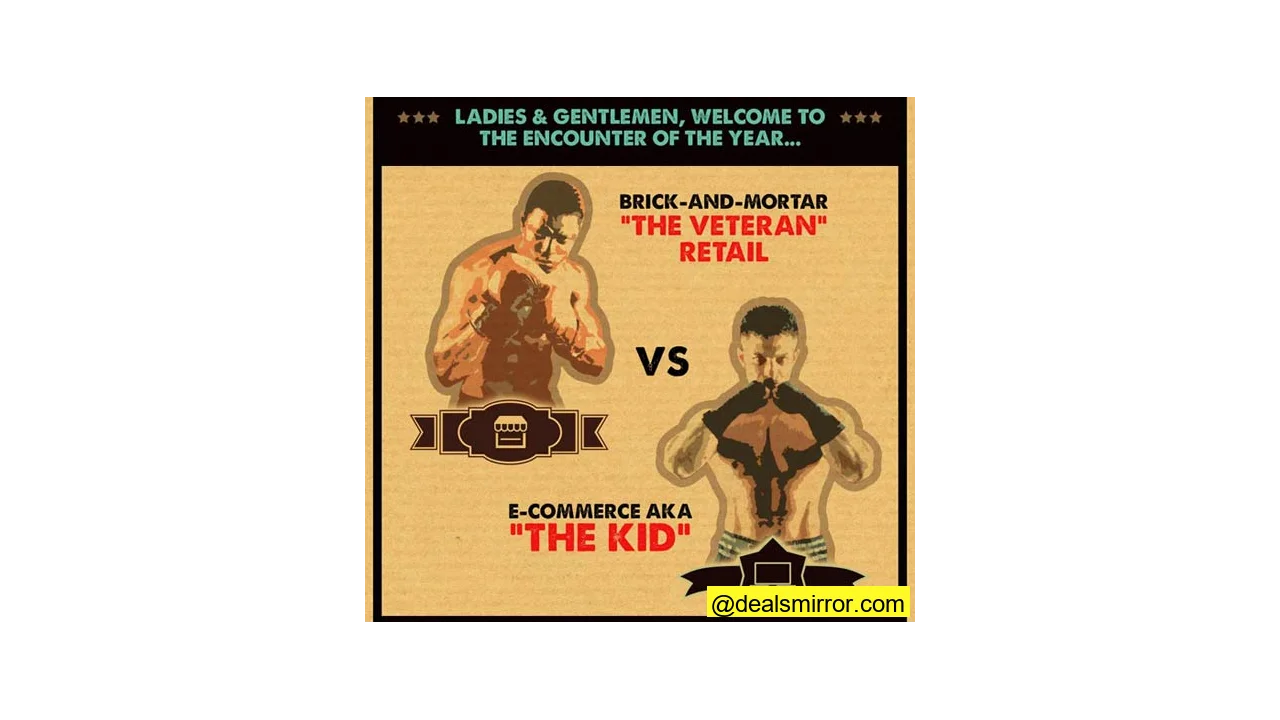
Brick-and-mortar and online retail are fundamentally different. The most obvious distinction is their physical presence: brick-and-mortar stores exist in the tangible world, while e-commerce stores operate exclusively online, often powered by platforms like Shopify or BigCommerce.
These differing operational models create vastly different experiences for customers and distinct business challenges and opportunities for companies. It’s essential to understand the unique strengths and challenges of each.
Advantages of Brick-and-Mortar Retail
Despite the rise of e-commerce, physical stores offer compelling advantages that resonate with modern consumers:
- Tangible Interaction: Customers prefer to see and touch many products before purchasing, reducing hesitation and increasing purchase intent.
- Personalized Support: In-store teams provide direct, personal assistance, leading to higher revenue and opportunities for upselling or cross-selling.
- Smooth Transactions: Well-managed physical stores often provide a smoother buying process. In contrast, poor online checkout experiences contribute to 21% of online cart abandonment statistics.
- Immediate Gratification: Shoppers can take their purchases home immediately, a significant benefit compared to the waiting period for e-commerce deliveries. This drives the e-commerce race for next-day shipping.
- Lower Shipping & Fulfillment Costs: Once a product is sold in-store, shipping and fulfillment costs are virtually eliminated.
- Immersive Brand Experiences: Physical stores can deliver innovative, branded live experiences that are difficult to replicate online.
- Digital-to-Physical Integration: Brick-and-mortar stores can bring digital brand experiences to life or even offer online shopping via in-store POS kiosks.
While e-commerce continues to grow, it’s important not to underestimate the enduring power of physical retail. Even though the number of U.S. brick-and-mortar locations has seen some shrinkage, physical stores still accounted for 84% of total retail sales in 2019. Consumer preferences are nearly split between online and offline shopping. In fact, as NPR recently highlighted, many online-only retailers are now opening physical stores to broaden their reach and enhance customer engagement.
Challenges of Brick-and-Mortar Retail
Operating a brick-and-mortar store comes with its own set of challenges, primarily stemming from higher operational costs.
While e-commerce stores also incur costs, these often pale in comparison to those of physical businesses.
Key Costs of Running a Brick-and-Mortar Business:
- Location Expenses: Renting and maintaining a physical space for customers to shop.
- Merchandising & Equipment: Costs for displays, fixtures, and other merchandising materials that online retailers don’t require.
- Utilities & Compliance: Utilities, insurance, licenses, taxes, and other regulatory costs can accumulate rapidly for new physical businesses.
- Staffing: A significant investment, as talented staff are crucial for delivering expected customer value and cannot be overlooked.
Beyond these financial considerations, there are also logistical hurdles inherent to brick-and-mortar operations:
- Limited Operating Hours: Inability to serve customers 24/7, unlike e-commerce.
- Potential Stockouts: Risk of in-store inventory shortages, which can delay customer fulfillment.
- Local Talent Pool Limitations: Challenges in hiring skilled team members within a restricted geographical area.
These challenges are an intrinsic part of running a physical business. To succeed, merchants must continuously enhance their skills and strategies to effectively navigate these complexities.
Point-of-Sale (POS) Software for Modern Brick-and-Mortar Stores
Point-of-Sale (POS) software is an indispensable component of a modern brick-and-mortar store’s technology stack.
A store’s POS system acts as its digital hub, streamlining numerous critical retail processes:
- Customer Transactions: Facilitates purchases, returns, and exchanges directly through employee interactions.
- Sales Reporting and Analytics: Collects transactional data to provide insights into store performance and trends.
- Inventory Management: Logs and tracks inventory movement from storage to display to customer.
- Employee Management: Monitors employee hours and performance, aiding in scheduling and workforce optimization.
- Customer Relationship Management: Registers customer profiles, tracks loyalty programs, and supports email marketing for retention.
Modern POS systems also support a wide array of payment options, including traditional credit cards, and mobile payments via platforms like Square and PayPal. Key hardware components often integrated with POS software include:
- Mobile Tablets: For convenient, on-the-go checkouts by employees.
- Barcode Scanners: To accelerate and streamline transaction processing.
- Credit Card Scanners: For secure processing of credit card transactions.
- Printers: To provide physical receipts and transaction records.
While dynamic, mobile POS systems are gaining popularity, static POS setups can still serve as traditional cash registers. Among the most popular contemporary POS tools are:
- Shopify POS: Known for its streamlined, customer-centric checkout experience and robust omnichannel store management capabilities.
- Vend POS: Offers a highly customizable checkout experience and supports numerous add-ons and integrations for diverse retail needs.
- Square POS: A part of the Square ecosystem, enabling seamless omnichannel sales for brick-and-mortar businesses.
7 Common Types of Brick-and-Mortar Stores
Not all physical stores are created equal. Each operates within a specific “retail formula” that dictates its function. Understanding the distinct types of brick-and-mortar stores is a critical starting point. They vary in size, product selection, price point, and overall customer experience.
Let’s explore the most common types of brick-and-mortar retail stores and their defining characteristics.
1. Department Stores
Department stores are large retail establishments organized into multiple departments, with each section dedicated to specific products or themes.
A department store offers a little something for everyone. Source WinG CC BY-SA 3.0
Common departments include:
- Clothing and Accessories
- Jewelry
- Appliances
- Electronics
- Home Decor
This extensive variety allows department stores to attract a broad customer base with diverse needs, generating substantial business volume.
2. Specialty Stores
Specialty stores focus on selling products related to one particular theme, niche, or consumer need.
Examples include:
- Hat stores
- Sporting goods depots
- Jewelry stores
- Mattress outlets
By narrowing their focus, specialty stores cater to a more specific audience, allowing them to deliver highly targeted value and expertise.
3. Convenience Stores
Convenience stores are small, local shops that provide “everyday” products, basic necessities, and impulse items. These typically include:
- Gas
- Milk and eggs
- Alcohol and cigarettes
Designed for quick stops, convenience stores are ideal for customers on the go, ensuring consistent foot traffic throughout the day and night.
4. Grocery Stores & Supermarkets
Grocery stores and supermarkets primarily sell food and food-related items, often expanding to include household necessities and other consumables.
Fresh produce is just one section of most grocery stores.
A significant benefit of operating a grocery store is the ability to generate regular, frequent business. As they offer products consumers need routinely, they ensure consistent demand for their brand.
5. Drugstores
Drugstores offer a broader selection of goods than convenience stores but typically less than grocery or department stores. While not strictly a “specialty store,” drugstores focus heavily on health and beauty products, in addition to medicines.
This emphasis on essential health-related items makes local drugstores a crucial destination for those seeking care and everyday wellness products.
6. Superstores
Superstores represent a massive retail format, essentially combining elements from various other brick-and-mortar store types into a single, expansive location.
Source MattWade (CC BY-SA 3.0) / Walmart’s Supercenters are the definition of “superstore”
With their vast product ranges, superstores can attract consumers from all walks of life with widely varying needs. As you can imagine, establishing a superstore is typically beyond the scope of a fledgling entrepreneur.
7. Discount & Extreme Discount Stores
Discount stores are no-frills retailers that offer quality products at highly affordable prices. These stores often operate within the models of grocery, department, or specialty stores but with a focus on cost savings.
Although discount stores may generate minimal profit per individual sale, their low overhead costs allow them to maximize revenues and compete effectively with more expensive “big box” stores.
Each type of brick-and-mortar store comes with its unique advantages and disadvantages. The key to retail success lies in understanding and leveraging your store’s specific strengths to deliver maximum value to your customers.
How to Build a Successful Brick-and-Mortar Retail Business
The traditional brick-and-mortar store model is evolving. Today’s consumers expect more than just a place to buy things; if that’s their only need, they’ll likely shop online from the comfort of their homes. What they seek from local storefronts is an enhanced, holistic experience.
Here are five critical strategies to ensure your retail store delivers exceptional value and engages your customers effectively.
1. Strategize Your Merchandising for Maximum Impact
Merchandising is the art and science of arranging products, signage, and other fixtures throughout your store to stimulate customer engagement and drive purchases.
Key Elements of Effective Merchandising:
- Interior and exterior product displays that capture attention.
- Engaging product images and clear promotional signage.
- An intentional color scheme that aligns with your brand and evokes desired emotions.
- Strategic lighting to highlight products and create ambiance.
- An optimized store layout that guides customer flow and encourages exploration.
Strategic merchandising is vital for:
- Attracting new potential customers.
- Converting browsing visitors into buyers.
- Increasing average order value and customer lifetime value.
First and foremost, your store must be well-organized, with clearly visible sections, products, and pricing. A cluttered or confusing store environment will deter potential customers from even attempting to find what they need. Showcasing popular, high-value products prominently can immediately capture your audience’s attention.
Furthermore, cross-merchandising is a powerful tactic that can persuade customers to purchase related items. For instance, clothing stores often display complete outfits, including multiple clothing items and accessories, to inspire additional purchases.
2. Offer Diverse Buying and Fulfillment Options
Many of the reasons online shoppers abandon their carts (and choose to shop in-store) relate to a lack of payment and delivery options. Providing a variety of these options will significantly encourage customers to visit your store and complete their purchases.
Consider these two crucial areas:
- Payment Flexibility: Empower your customers to pay using their preferred methods. Beyond cash, check, and credit card, explore options like mobile and smartphone payments (Square, PayPal, etc.). While you don’t need every option, focus on those most relevant to your audience and industry. Also, consider offering multiple payment policies and structures, such as installment plans or lines of credit, to attract customers who need more flexible payment terms.
- Fulfillment Variety: Offer diverse options for receiving purchases. “Click-and-collect” (buy online, pick up in-store) is an increasingly popular choice, blending the convenience of online shopping with the immediacy of physical retail.
Additionally, making returns and exchanges as smooth and customer-friendly as possible is paramount for retail success. A streamlined process not only leads to satisfied customers but also minimizes wasted resources on your end. Solutions like even exchanges or store credit can play a key role in finding a balance that benefits both your customers and your business.
3. Deliver Unique and Innovative In-Store Experiences
If your store is merely “a place to buy things,” it won’t generate excitement. To truly attract your target audience, you must create experiences they simply cannot get anywhere else.
For example, Home Depot famously offers kid-friendly workshops, guiding families through small craft projects.
Source / These workshops have been held online throughout the pandemic.
However, today’s retail landscape demands an even deeper approach. Beyond standalone events, your goal should be to cultivate an immersive overall in-store experience. Nike Live stores are excellent examples, offering innovative features such as:
- A “sneaker bar” where customers can design custom footwear before purchase.
- Quick-service sections tailored for customers on the go.
- Exclusive digital vending machines for VIP members.
Such innovative experiences provide compelling reasons for customers not only to enter your store but also to linger and explore the full breadth of your brand’s offerings.
4. Leverage Digital Marketing to Drive Local Business
Embracing a brick-and-mortar model doesn’t mean forsaking the digital world. On the contrary, digital marketing is essential for generating foot traffic and in-store purchases. Since the majority of your customer base will be localized (unless you’re part of a national chain), a strong focus on local SEO, email marketing, and PPC ads is crucial.
Organic, local SEO allows small retail stores to gain major visibility.
Advanced technologies like beacons and geofencing can also attract passersby and individuals within your store’s vicinity. These tools enable the delivery of push notifications, targeted Google Ads, and other promotions to customers based on their location and specific behavioral triggers.
Digital signage is also evolving, becoming more interactive. It can provide real-time information to in-store customers, such as product availability, queue position, or special offers, enhancing the immediacy and convenience of the shopping experience.
5. Integrate Technology to Elevate the In-Store Experience
Using digital technology isn’t just about “wowing” your audience; it’s about making the in-store experience more engaging and minimizing less exciting moments. This applies to both the browsing and purchasing phases of the customer journey, recognizing that the “art of shopping” involves multiple decision points where customers:
- Compare similar products.
- Evaluate product prices.
- Review store policies, terms, and conditions.
Offering free WiFi, interactive digital displays, and other means of information gathering removes friction from the browsing process, allowing customers to confidently move towards a purchase. Home Depot excels in this area, providing store-specific information via its mobile app:
A modern digital POS system further streamlines the purchasing process. With mobile POS systems, your team can assist customers anywhere in the store, eliminating long lines and wait times. Finally, it’s imperative to deliver an omnichannel experience where your brick-and-mortar store is just one integral facet of a seamless journey with your brand. Every visit should feel like a continuation of their relationship with your brand, not a standalone interaction.
By focusing on these strategies, you can position your brick-and-mortar store for sustained success in today’s competitive retail landscape.