
Search engine optimization (SEO) is a demanding field, especially for small business owners and marketers navigating competitive online landscapes. Securing top search engine rankings is crucial, and it requires more than occasional checks. Consistent monitoring of your SEO and content performance is vital to maintain your position and prevent competitors from surpassing you.
How do you effectively track SEO performance day-in and day-out? The answer lies in robust SEO rank monitoring.
If you’re new to the concept, this guide will demystify SEO rank tracking, explain its importance, and outline effective implementation strategies, including the best tools and key metrics to measure.
What is SEO Rank Monitoring?
SEO rank monitoring involves measuring your website’s performance on search engine results pages (SERPs). SERPs present web pages and sites in a ranked order, determined by complex search engine algorithms that prioritize relevance and usefulness to the searcher. With hundreds of thousands of results for most queries, the top positions are highly coveted.
The significance of reaching these top spots cannot be overstated; the majority of click-throughs go to the first five positions, making anything beyond easily overlooked. Achieving SEO success means securing these prime positions, and rank tracking ensures you do. Search engines employ various methods for ranking results, with keyword relevance being a primary factor. Keywords are the specific phrases people use when searching. If your website effectively integrates relevant keywords, it significantly improves its chances of ranking higher on SERPs.
Rank tracking specifically focuses on keyword performance, understanding that keyword usage and relevance fluctuate over time. By navigating these changes and identifying patterns, SEO rank tracking helps you gain a competitive advantage.
Why is Rank Monitoring Important?
SEO demands significant investment of time, effort, and resources. Rank tracking provides clear insights into the return on this investment, offering several critical benefits:
- **Evaluates Strategy Effectiveness:** Every successful SEO strategy is built on clear goals and targets. Rank tracking helps you objectively assess your performance against these benchmarks, providing concrete data to justify your approach and the resources invested.
- **Identifies Issues Early:** A decline in average ranking positions directly translates to fewer click-throughs and reduced organic traffic. Early detection of such dips allows for swift corrective action, mitigating potential losses.
- **Informs Strategic Adjustments:** SEO rank monitoring empowers you to make data-driven decisions. If certain keywords aren’t performing as expected, tracking data reveals viable alternatives and new opportunities, allowing for smarter adjustments to your SEO strategy.
- **Drives Continuous Improvement:** By examining SEO performance across your entire website, rank tracking highlights pages that are attracting significant traffic and those that are underperforming. This ongoing analysis helps you continually identify areas for improvement and optimization opportunities.
SEO Rank Monitoring Tools
Effective SEO ranking monitoring requires tracking multiple metrics simultaneously, extending beyond simple SERP positions. While basic keyword trackers are available, gaining valuable insights demands a tool capable of tracking all essential metrics. This section will begin with Google Search Console, followed by a detailed look at five of the best dedicated SEO rank monitoring services.
Use Google Search Console
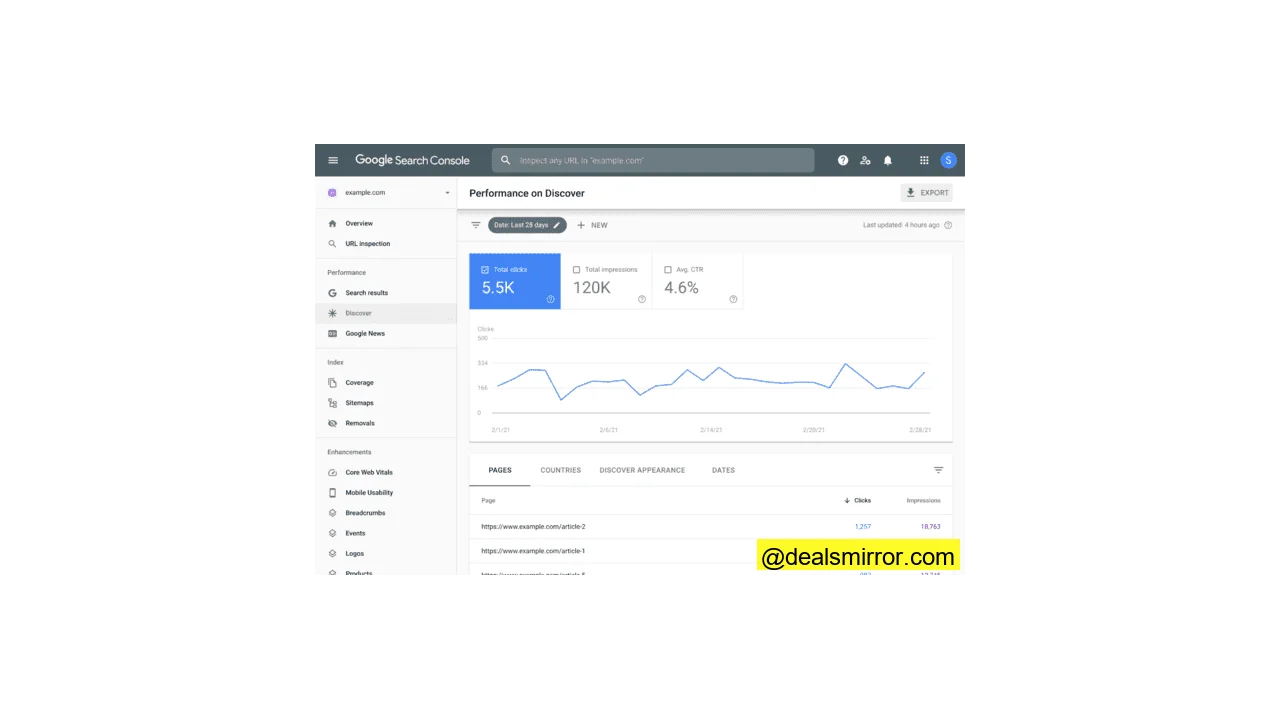
Highly regarded by SEO professionals, Google Search Console is often used in conjunction with other SEO tools. As Google dominates online search, its console provides invaluable, free assistance for optimizing your presence on its search engine.
Google Search Console offers four core functions. The URL Inspection Tool reveals how Google indexes your website’s information, offering crucial insights into making your web pages “Google ready.” Presenting information optimally is fundamental for strong search rankings.
You also gain access to ranking data, as GSC measures search positions, impressions (when your content appears in search results), and clicks (traffic driven from search results). To ensure your pages are indexed among billions, you can submit URLs and your sitemap directly through the console.
Finally, Google Search Console provides alerts if its algorithms detect issues with your site that could impede good rankings, enabling prompt resolution.
Use a Rank Tracking Tool
Dedicated rank tracking services offer more extensive data points than Google Search Console, covering multiple search engines and providing analytics for paid search and advertising. Here’s a summary of our top picks:
SE Ranking
SE Ranking is a comprehensive suite of SEO analytics tools. Its Keyword Tracker delivers in-depth analysis of keyword positions across the top five search engines with daily ranking updates. You’ll gain access to stats on search visibility, average position, organic traffic, and top impressions.
The platform also allows you to monitor how competitors rank for the same keywords and analyze their entire websites for valuable performance insights. An AI-powered on-page SEO checker guides your optimization efforts, and you can research and audit backlinks independently.
Semrush
Semrush is a leading digital marketing platform offering tools for content marketing, online advertising, and social media marketing. Its search product alone boasts 28 SEO tools, including a robust position tracking tool that monitors keyword positions daily.
Analysis can be segmented by devices, locations, and specific landing pages. You can uncover competitor rankings and monitor SERP features, such as which keywords are appearing in Google’s Featured Snippets. Semrush is heavily Google-focused, connecting with Google Analytics for organic traffic monitoring. It also facilitates competitor analysis for keywords and backlinks, and provides auditing tools for your entire site or individual pages.
Serpstat
Serpstat is an SEO platform renowned for its keyword research capabilities, making it ideal for strategizing. It analyzes keyword performance on Google in 230 countries, providing insights into traffic, visibility, and backlinks. This makes it highly useful for ongoing rank tracking, beyond initial research and planning.
Serpstat supports both organic and paid search, enabling competitor analysis to identify keywords your rivals are using. It also helps you uncover keyword gaps and opportunities to leverage. Additionally, Serpstat offers automated SEO audits that can be scheduled to run regularly.
Wincher
Wincher positions itself as the most user-friendly rank tracker, largely due to its singular focus on rank tracking rather than being an all-in-one SEO platform. This specialization makes it both affordable and straightforward, particularly appealing to beginners and small to medium-sized enterprises (SMEs).
Wincher provides daily ranking updates, starting with a base of 100 keywords, with options to add more for an extra fee. On-demand updates can also be scheduled. Tracking encompasses keyword positions and traffic, alongside tools for researching new keywords and comparing competitors.
Whitespark
Whitespark is a specialized platform dedicated to local SEO. While operating on the same principles as general SEO, local SEO focuses specifically on location-based searches, crucial for customer-facing brick-and-mortar businesses.
Whitespark offers numerous tools tailored for local SEO, such as managing business listings, reviews, and local citations. Critically, it includes a local rank tracker. This tool monitors keyword visibility and positions in organic search, and also tracks results in Google Maps and Local Packs (location-specific results prominently displayed at the top of SERPs). Whitespark analyzes these results across Google and Bing, allowing you to compare and track various location-specific search terms, including by neighborhood, street name, and postal code.
The 6 SEO Metrics to Monitor
To determine the effectiveness of your SEO strategy, it’s essential to track the right metrics. Here are six fundamental metrics to measure when initiating your rank monitoring efforts:
Keyword Rankings
Keyword rankings indicate a page’s SERP position for specific keywords, forming the absolute core of SEO rank monitoring. This metric directly tells you if you are achieving those vital top search positions. It also links intrinsically to your keyword strategy; you want to rank high for the keywords people genuinely use to find businesses and content similar to yours. Monitoring keyword rankings helps you prioritize and focus on the most impactful terms.
Organic Traffic
While high search engine rankings are crucial, they aren’t the ultimate objective of SEO. The primary goal is to drive substantial traffic to your site. High rankings increase your visibility in search, making it more probable that traffic will follow. However, you must measure traffic to confirm this connection.
Search results are divided into paid ads (appearing first) and ‘organic’ results. Organic traffic specifically refers to visitors arriving from these unpaid search results. A consistent high or growing organic traffic volume is a strong indicator that your SEO strategy is performing well.
Click-Through Rate (CTR)
Click-through rate (CTR) offers another perspective on traffic from search results, going beyond a raw total. CTR measures the proportion of search impressions that result in a visit to your page. For example, a page might rank well, but if its CTR is low, it suggests that your page titles and meta descriptions might not be engaging enough to capture attention, despite its high position. Remember, SEO must appeal to both search algorithms and human users.
Conversely, a highly ranked page with good traffic might still have room for improvement if its CTR isn’t maximized, indicating an opportunity to further boost traffic. You can find out more about how to increase CTR on a landing page.
Conversion Rate
From a business standpoint, even high website traffic isn’t the final goal. For SEO to truly deliver value, it should lead to increased sales or other desired actions, such as newsletter sign-ups or social media follows.
Conversion rate indicates the percentage of visitors who complete these target actions. While a low conversion rate can’t be fixed by SEO alone—it’s tied to your broader marketing and sales strategy—it remains the most straightforward way to quantify your SEO success in overarching business terms. Visitors on a landing page represent a prime opportunity, so understanding your landing page conversion rate is key to maximizing these interactions.
Bounce Rate
Bounce rate measures the percentage of visitors who click through to a page but then leave without interacting further or navigating to other pages on your site. A high bounce rate is a critical indicator that, despite great rankings and high CTRs, users are not finding immediate value or relevance upon arrival. This highlights the importance of optimizing the on-page experience to keep visitors engaged.
Site Exit Points
Even if visitors don’t immediately bounce from a landing page, they might browse several pages before leaving your site. Tracking site exit points helps you identify specific pages from which users frequently depart. This insight allows you to review and improve those pages, potentially by enhancing content, calls to action, or internal linking. Many ecommerce platforms have conversion optimization tools like A/B testing to help increase sign-ups and sales.
SEO Rank Monitoring: Conclusion
Rank tracking is an indispensable component for effectively monitoring and measuring SEO success. At its core, SEO is about achieving high SERP rankings, which necessitates understanding the keywords your target audience uses and optimizing your site to rank prominently for those terms. SEO rank monitoring provides the crucial feedback loop to confirm your success and guide future efforts.
Google Search Console offers a free and accurate source of SEO data for your site. However, for comprehensive keyword research, competitor analysis, detailed SEO audits, and advanced rank tracking, investing in dedicated rank tracking software is essential.
FAQs about SEO Rank Monitoring
How do I monitor SEO ranking?
What is an SEO rank checker?
The best SEO rank checkers include SE Ranking, Semrush, Serpstat, Wincher, and Whitespark.
What is SEO monitoring?
How do you maintain SEO rankings?
Additionally, focus on acquiring more quality backlinks to your site. Inbound links from reputable sources signal trustworthiness and popularity to search algorithms. Some of the best link building tools can streamline this process. Finally, always think about incorporating unique and valuable content for your audience, such as exclusive data, interactive tools, or useful calculators.