Thinking about selling digital products? That’s a smart move! Digital offerings like e-Books, online courses, and downloadable resources are incredibly popular. Creating them can be relatively straightforward and less time-consuming than physical goods. But where do you begin, and how can you effectively sell these digital creations?
This article will guide you through the most popular digital products to sell and explain why going digital often surpasses the sale of physical items. We’ll inspire you with a wealth of digital product ideas and outline the best strategies for selling your digital downloads. Discover how to market your offerings and which channels are essential for success. Let’s start with the basics!
What Exactly Are Digital Products?
Digital products are items that can be sold and distributed purely in a digital format. Common examples include e-Books, software programs, online courses, and audio files.
Today, countless freelancers and entrepreneurs are bringing their businesses online. You’ll find photographers selling online courses, writers offering their e-Books, developers marketing their mobile apps, and designers providing custom logos and fonts.
The possibilities for selling digital products are vast, allowing almost anyone to tap into the thriving online marketplace.
Digital vs. Physical Products: Why Digital Often Wins
Launching a business selling digital products is significantly easier than dealing with physical goods. Crucially, digital products often boast higher profit margins, leading to greater overall profitability.
Physical products come with numerous upfront costs, including inventory management, packaging, shipping, taxes, import duties, and other potential logistical hurdles. Setting up a brick-and-mortar store is a monumental task, often consuming vast amounts of time before you even make your first sale.
With digital products, these challenges simply don’t exist.
Digital products are also easier to create and distribute. Because you sell virtual items online, your business is inherently more scalable. With the right knowledge, you can create a digital product from conception to launch entirely on your own—no staff, intermediaries, or partners required.
In short, digital products are a compelling choice due to:
- An easier creation process compared to physical products
- Often high-profit margins, making them highly lucrative
- Potential for recurring revenue streams
- Greater flexibility in product range and pricing
- The possibility of creating evergreen content
- No shipping costs or restrictions, contributing to sustainability
- No physical storage space required
- Freedom from international taxes or import limitations
- Enhanced scalability for growth
- Reduced need for extensive personnel
The next logical question is: “What’s the best digital product to sell?” Let’s explore some of the most popular digital products available today.
Top Digital Products to Sell Online
1. e-Books and Whitepapers
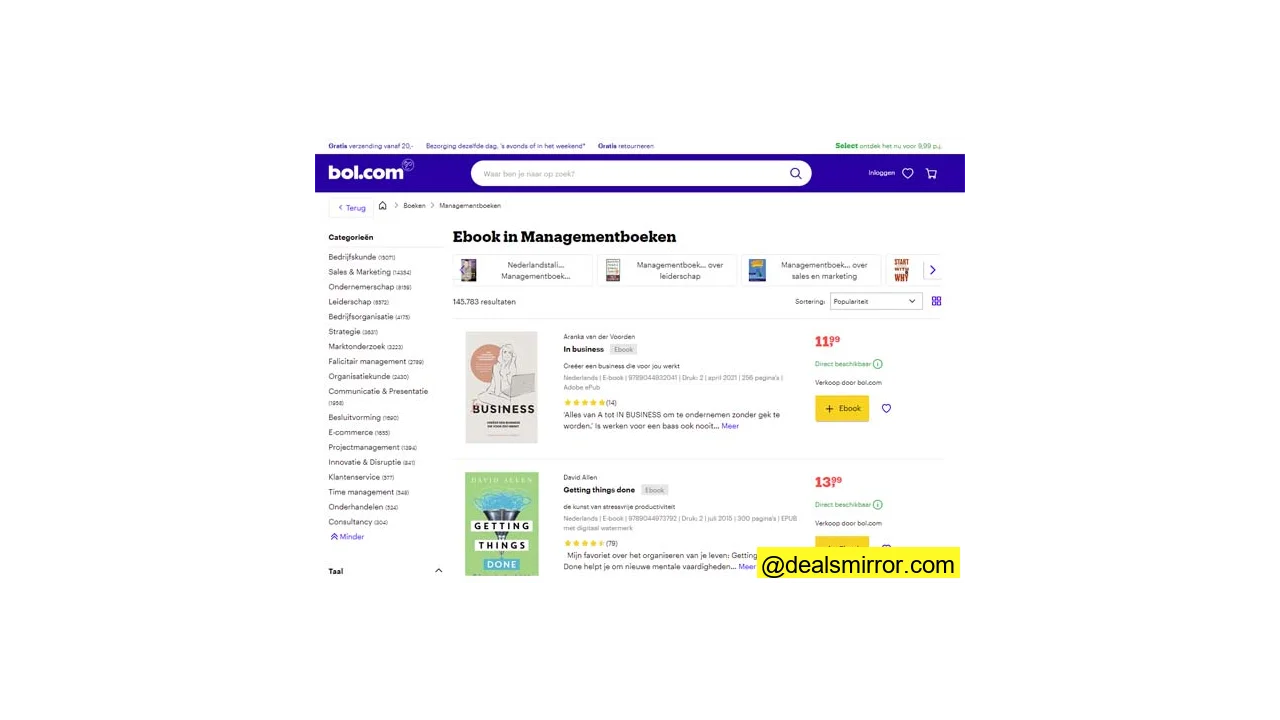
If you possess deep knowledge on a particular subject and have a knack for writing, e-books are an excellent way to capture your audience’s attention. They are a smart digital product to sell and relatively simple to create: transform your existing knowledge into written content and save it as a PDF. Done!
You can make your e-Book as visually appealing as you like, from designing a simple cover to going all out with original layouts and illustrations.
E-Books offer versatile promotional opportunities. You can share or sell them as whitepapers or lead magnets, distribute them through marketplaces, or even promote them via social media advertisements.
Customers love e-Books because they can read them instantly on their e-reader, tablet, Kindle, laptop, or any other device without waiting for shipping.
2. Online Courses and Training Programs
The e-learning industry has been on a continuous growth trajectory for years, with platforms like Podia, Udemy, and Skillshare empowering individuals to share their expertise through online courses.
A digital course provides flexible marketing options, allowing you to sell your training in a way that aligns with your strategy:
- Charge a one-time fee for a standalone course.
- Bundle courses together or integrate them as part of a larger product offering.
- Adopt a membership model with a recurring subscription fee.
By using an online course as an entry point to a membership, subscribers initially pay for the course or training, then transition into a subscription for ongoing access to your content.
If you’re serious about creating and marketing your own course, consider utilizing a Learning Management System (LMS).
As an instructor, you determine the level of interactivity for your course. You can offer on-demand lessons or enhance the experience with additional interactive elements for your students.
Adding live training sessions, exclusive webinars, Q&A’s, personalized feedback, or extra coaching significantly increases the course’s value, allowing you to command a higher price point.
Many online course platforms also offer features to conduct quizzes or exams at the completion of the course and generate certificates for participants.
3. Paid Email Newsletters
Have you considered monetizing your email newsletter? A premium paid newsletter is an effective way to generate income online.
Especially if you already have an established email list, adding a paid subscription option for your newsletter can be relatively easy. Your existing subscribers are already interested, requiring less effort to convince them to opt into the paid tier.
While you need to develop content valuable enough to justify a subscription fee, successful implementation can lead to recurring revenue. The more subscribers you gain, the more income you generate, making a paid newsletter highly scalable. An email list is a valuable asset regardless, perfect for selling other digital products, so building one is always recommended.
4. Audio and Music
When you think of audio, you might immediately picture artists selling albums and songs online. But with the prevalence of platforms like Spotify, are traditional music sales still the primary avenue? Fortunately, there are many more opportunities in this category of digital products beyond just individual tracks.
To sell audio and music as a digital product, consider jingles, sound effects, instrumental music for karaoke, background music, meditation guides, explainer videos, lectures, audiobooks, ringtones, or language lessons—the list is extensive.
If you have an affinity for recording and sound editing, and can identify the right target audience, you can sell virtually any type of audio product online.
5. Podcasts
Podcasts, while a type of audio product, deserve their own spotlight due to their surging popularity. Many entrepreneurs have shifted from blogging to creating their own podcasts, hosting them independently and inviting guests (which mutually expands their reach).
Platforms like Patreon allow you to monetize a podcast (or any other digital product). Your members, often called “Patrons,” can subscribe to various tiers, receiving different perks depending on their chosen level. Several podcast hosting platforms can manage the technical aspects for you.
6. Photography
Photographers have numerous avenues to sell their digital products and services. During the pandemic, virtual photoshoots dramatically increased in popularity. Celebrity examples, such as Demi Lovato sharing photos from virtual video chat sessions, highlight this trend.
Beyond services, you can also sell digital photography products. Consider stock photos, presets for Lightroom, and filters for apps. You can sell your photos directly or through platforms like Etsy, JUNIQE, Zazzle, or Big Cartel, and even offer products featuring your photography.
7. Software (SaaS Products)
While a SaaS (Software as a Service) product demands significant time for development and launch, it can offer the highest ROI among all digital product ideas mentioned. SaaS products encompass a wide range, including apps, plugins, snippets, and more.
Think of email software tools, project management tools, file storage services like Dropbox, or even white-label marketing software.
You’ll need programming skills or collaboration with a development team for this project. It’s often the most challenging and time-consuming idea on this list, but it also has the potential to generate substantial income and long-term success when executed well. Alternatively, you could explore reselling existing software solutions.
The Best Digital Downloads to Sell
8. Downloadables
You can also sell downloadable products. Before diving into how to sell them, it’s worth noting that you can also offer them for free.
For instance, you might give them away to encourage people to subscribe to your email list. A valuable freebie that is worth signing up for is easily created. And voilà, you have a new email address in your database.
Downloadables are often small digital products such as:
- Checklists
- Printables
- Patterns
- Mockups
- Bundles
- Digital Art
- Meal planners or other organizational aids
- Excel spreadsheets
9. Website Themes and Templates
If you’re skilled in website design and programming, website templates and themes are excellent digital products to sell. There’s significant demand for themes compatible with popular website builders and e-commerce platforms like WordPress CMS, Magento Commerce, and Shopify.
Developing a CMS theme or a simple starter template might seem counterintuitive if you build entire websites, but for digital agencies and freelancers, it proves to be a valuable source of new clients seeking custom features or designs.
You can sell themes directly through your own website or leverage platforms such as Envato Market, WP Eden, or Creative Market.
10. Logos and Fonts
As a graphic designer, you can create and sell custom logos. With countless new businesses and websites launching daily, there’s always a need for unique and original logos and accompanying branding.
A company or design needs to stand out from the crowd. Furthermore, a fresh design initiative can inspire the creation of new, exciting fonts. Fonts are versatile and can be used for website content, logos, and various marketing materials.
If you’re still building your client base, creative platforms like 99designs can help you sell your first logos and secure initial commissions.
How to Effectively Sell Digital Products, Downloads, and Expertise
Now that you have a fantastic idea for your digital product, the next question is: How do you best sell it?
As with any promotion, you need to start with visibility. Where can you talk about your business? Begin with your immediate network—friends, acquaintances—and then leverage your own (owned media) online channels.
The more frequently someone encounters your brand and products, the higher the likelihood of conversion. Research suggests that at least six to eight interactions are often necessary before people make a purchase.
10 Ways to Market and Sell Digital Products and Downloads
1. Seek Feedback in Active Online Communities
Wherever people gather online, there’s an opportunity to solicit advice about your product. Consider platforms like Quora, Reddit, Yahoo, and specialized online communities such as Facebook groups.
This approach allows you to gather valuable feedback and increase awareness of your product. By searching for relevant topics, you can identify which communities to engage with. For instance, you often see people asking for input on the best cover design or title for their e-Book.
2. Generate Hype with a Social Media and Email Launch
Even before your product officially launches, people should be aware of its impending arrival to build excitement. Create an enticing landing page, complete with a countdown timer. On this page, encourage sign-ups for your email list to receive updates. Make pre-registration more appealing by offering early access or a special discount to new subscribers.
It’s crucial to keep these early registrants engaged. Maintain regular contact by sending previews, interesting content, and building a relationship via email. This ensures you’ve established a strong foundation by the day of your product launch.
3. Invest in Paid Advertising
While paid advertisements require an investment, they offer a fast way to reach your target audience. Opt for long-tail keywords with less competition to prevent quickly exhausting your budget.
The better you target your ads to the right audience, the greater your chances of success. Search Engine Advertising (SEA), banner ads, and social media ads for selling products each have their pros and cons. Fortunately, they all allow you to easily target different demographic groups.
4. Guest Blog on Relevant Websites
If you haven’t yet cultivated your own audience, you can leverage the reach of others. Consider guest blogging on websites with a loyal following, especially if their audience consists of potential buyers for your digital products.
Conduct thorough research beforehand. Initiate blogger outreach and invest in building genuine relationships with these blogs before requesting a guest post opportunity (unless they explicitly invite guest bloggers on their site).
5. Collaborate with Influencers
Similar to guest blogging, influencers offer an effective way to gain visibility within a specific target demographic. Today, there’s a vast array of (micro) influencers catering to diverse audiences and niches.
This provides numerous choices, but always verify their engagement rates and statistics upfront. This allows for a realistic assessment of your potential ROI.
6. Offer a Lead Magnet to Grow Your Email List
People love freebies and discounts. When you offer genuine value, it becomes much easier to persuade visitors to share their email addresses. Ensure your lead magnet is relevant to your audience and truly valuable.
This will excite them to receive more content from you! Ideally, this giveaway should also align well with your main product – for example, a lite version, a first chapter, or an introductory lesson if you’re selling a book or training program.
7. Organize a Contest or Challenge
Who doesn’t love a competition? Setting up a contest can be a significant undertaking: you want as many people as possible to participate! A good tactic is to collaborate with another brand or an influencer. It’s also effective to ask participants to tag a friend and share the contest to increase their chances of winning. Of course, the prize itself must be appealing and worthwhile!
8. Give Your Product Away for Free (Strategically)
Companies like Harry’s have mastered this approach. The razor manufacturer generated immense buzz with their “tell-a-friend” marketing campaign, sending free products to anyone who recommended them to friends. This creates a snowball effect, allowing you to gather many new leads by offering your product or service for free, or at a very low price.
9. Host a Launch Event, Virtual or In-Person
In today’s world, everyone is familiar with Zoom. Virtual events have become commonplace. Why not organize your own webinar or online event to promote your product? You can send invitations via email, and platforms like Facebook and LinkedIn make it easy to invite people to participate.
The launch event could be a webinar where you discuss the topic related to your digital products. During or after the event, you can promote your offerings. Webinars are particularly effective for promoting online courses.
10. Send Press Releases
It’s a classic strategy, but sending press releases can still be effective for getting yourself into the spotlight. Look for online PR services and directories, where you can find the right media contacts. Such services allow you to distribute your press release to many editorial desks at once, saving considerable time.
Essential Tools for Selling Your Digital Products
Now that you’ve chosen and created the perfect digital product for your target audience, it’s time to sell and promote your wares. The platform you choose will depend on your specific product.
For instance, if you’re selling a downloadable informational product, you can quickly build your own website or landing page. If you’re creating a course, a dedicated online course platform might be a better choice.
Here are some tools to help you advertise and sell your digital products:
E-commerce Platforms
You can certainly set up an entire site using a robust e-commerce platform. For creatives and those selling niche digital products, Craftcount is a great source of inspiration, showcasing popular products and sellers on Etsy.
- Big Cartel
- WooCommerce
- PayPal or Gumroad
- Amazon
- Blurb and Aerio for e-Books
Website and Landing Page Builders
It’s smart to create a site with a strong Content Management System (CMS). Consider versatile website builders, but for focused sales, dedicated landing page tools are equally effective for selling your digital products.
- WordPress
- Unbounce
Tools for Online Courses and Training Programs
If you’re embarking on creating your own online course or training, a standard website is often insufficient. You’ll need an online course platform to manage everything required to host and sell your training. Examples include platforms like Podia, Udemy, and Skillshare, mentioned earlier.
Email Marketing for Your Digital Downloads and Products
Many online channels can be used to promote and sell your digital products, and email marketing is almost always a crucial part of the mix. If you’re using a landing page or website for sales and want to deliver your product via email, an email marketing tool is essential to automate this process.
Email is also powerful when selling through platforms like Etsy. You can initiate an automated email flow immediately after a purchase to strengthen the relationship with your new customer, build trust, and potentially sell other products.
Additionally, social media is an ideal place to advertise and sell your product. If you have a budget, delve into paid advertising on search engines, social media, or display networks.
Conclusion: How to Successfully Sell Digital Products and Downloads Online
As you can see, there are numerous opportunities to sell digital products through your own website or other channels. It’s a significant step toward earning what’s often referred to as “passive income.” While no income is entirely passive, this certainly offers a promising avenue for additional revenue. The trick is to find a product that resonates with your existing audience or to target a new market with a valuable offering.
Once you discover that winning formula, creating and selling digital downloads to launch your new online business becomes relatively straightforward. All the necessary tools and platforms are available; it’s up to you to explore how to make them work for your success.